Amazing progress at Mooncroft!

Suddenly, after some challenging times, it feels like our project near Penicuik is on a bit of a roll!

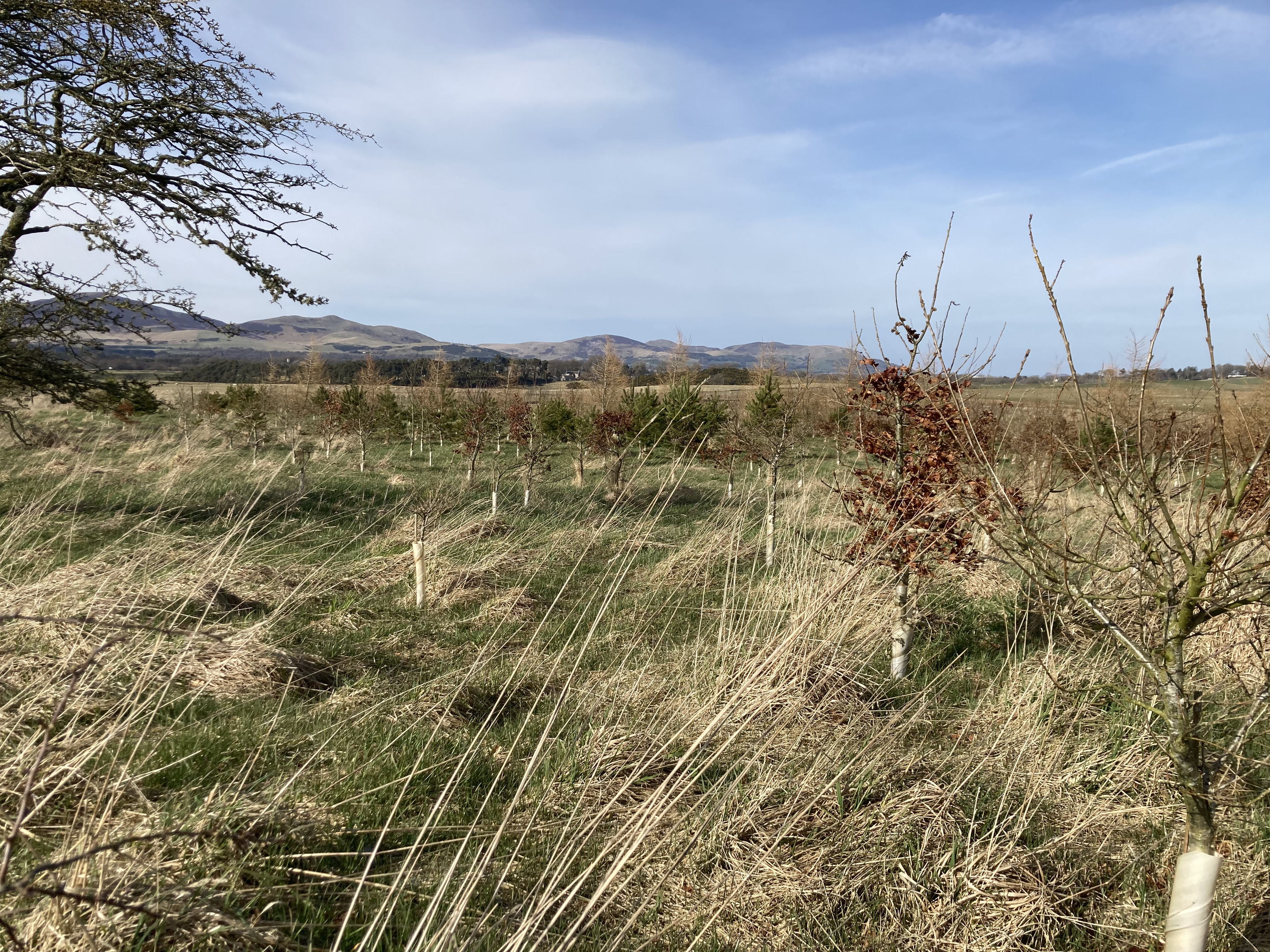
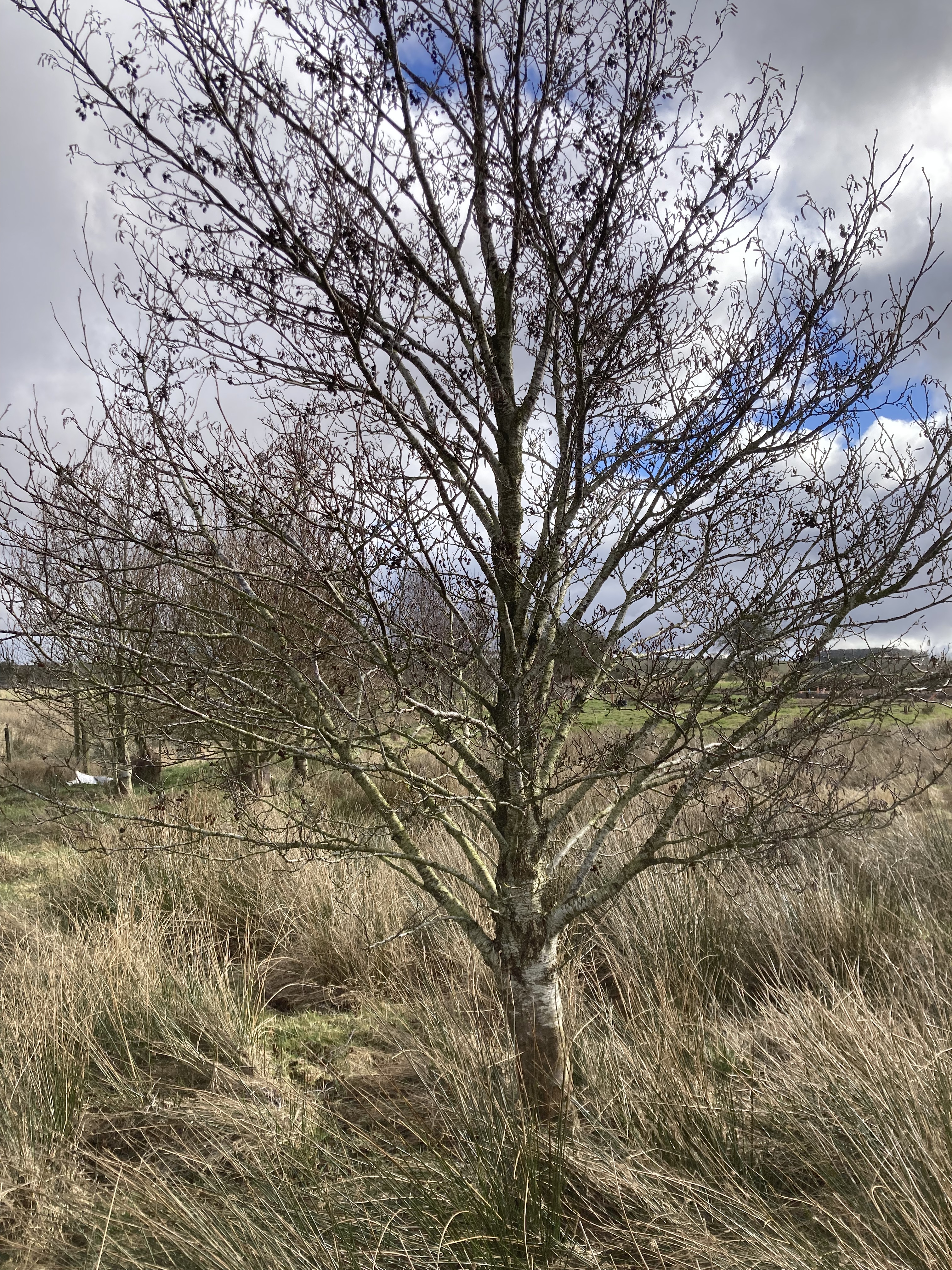
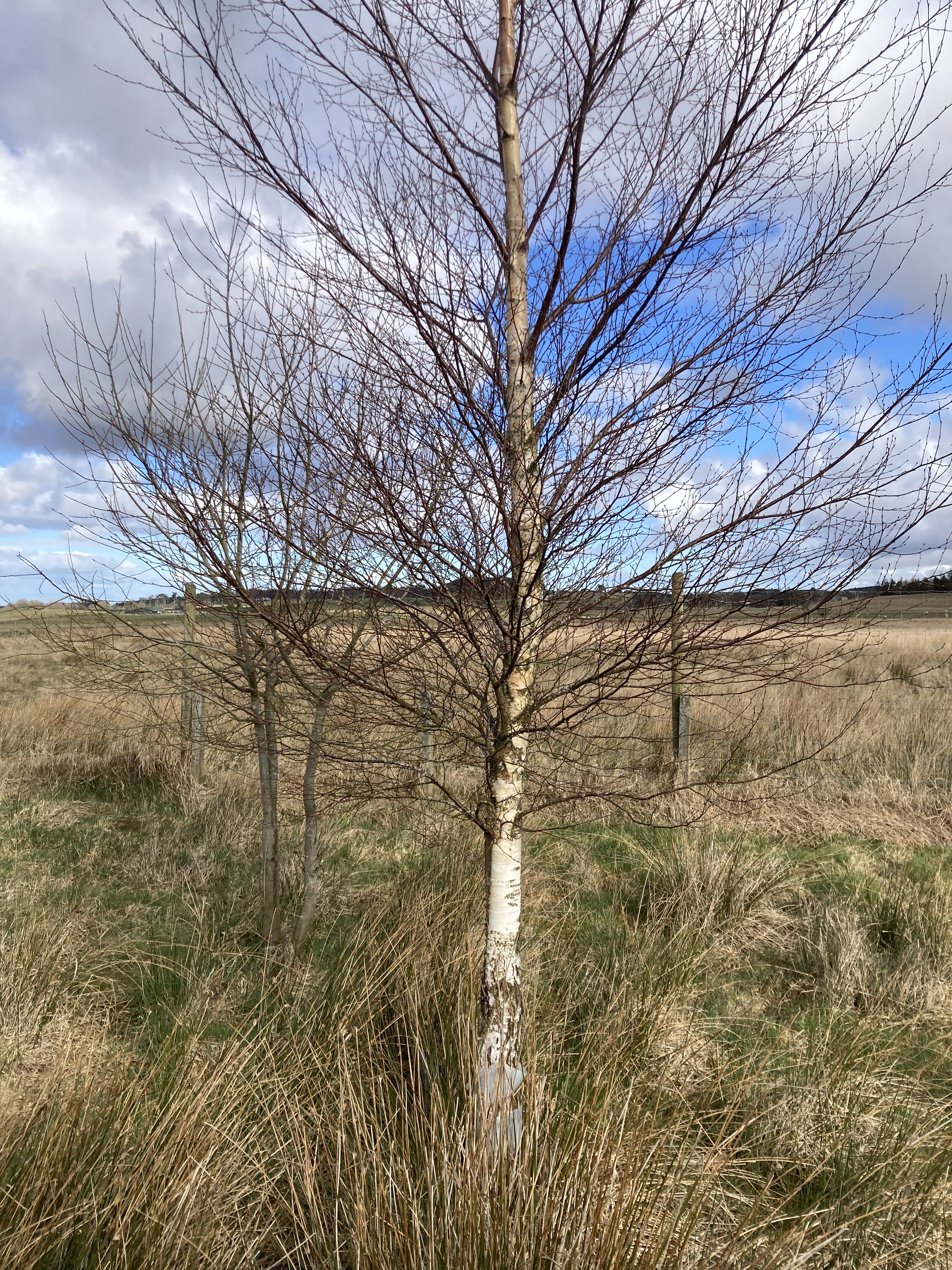
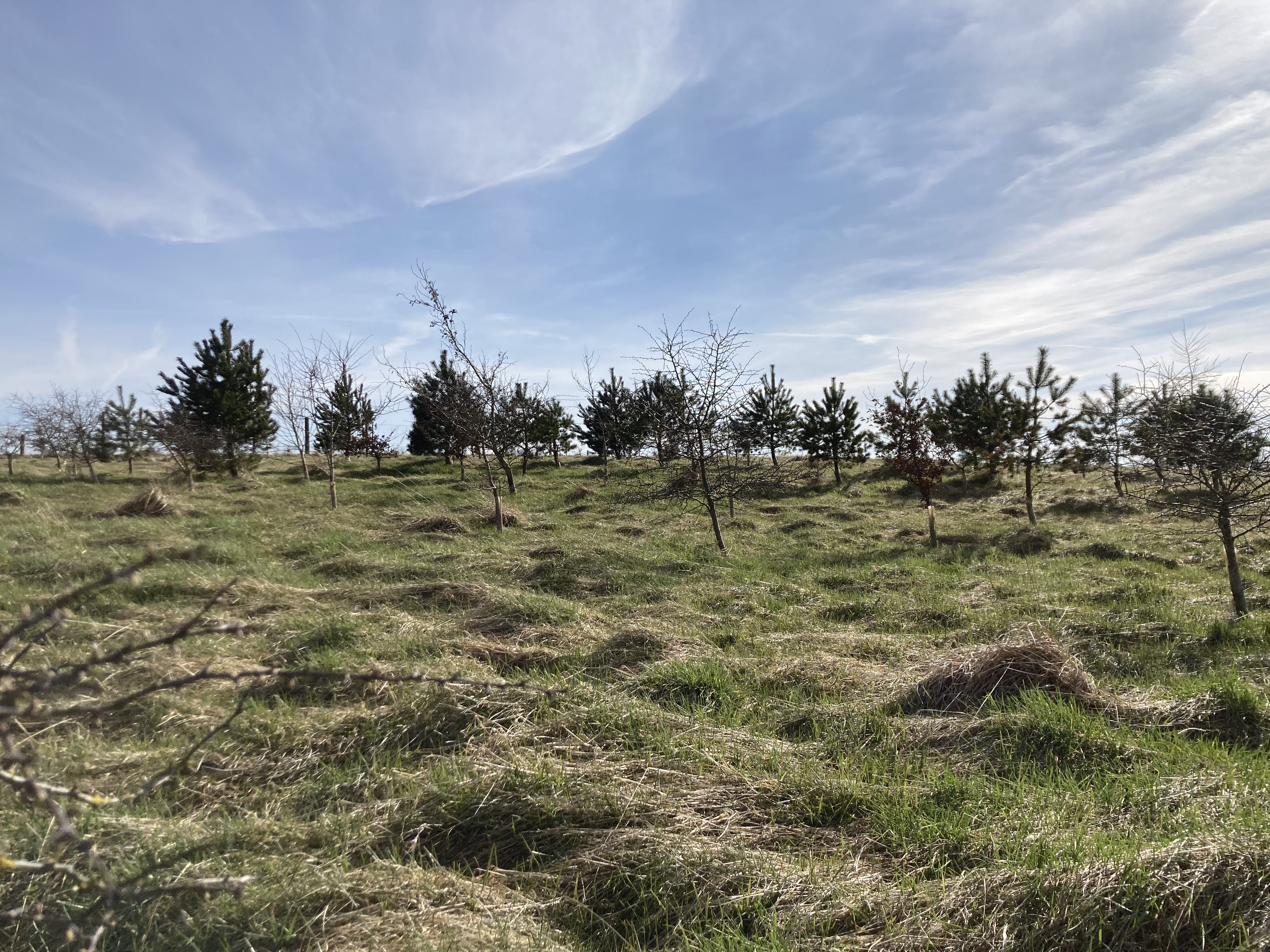
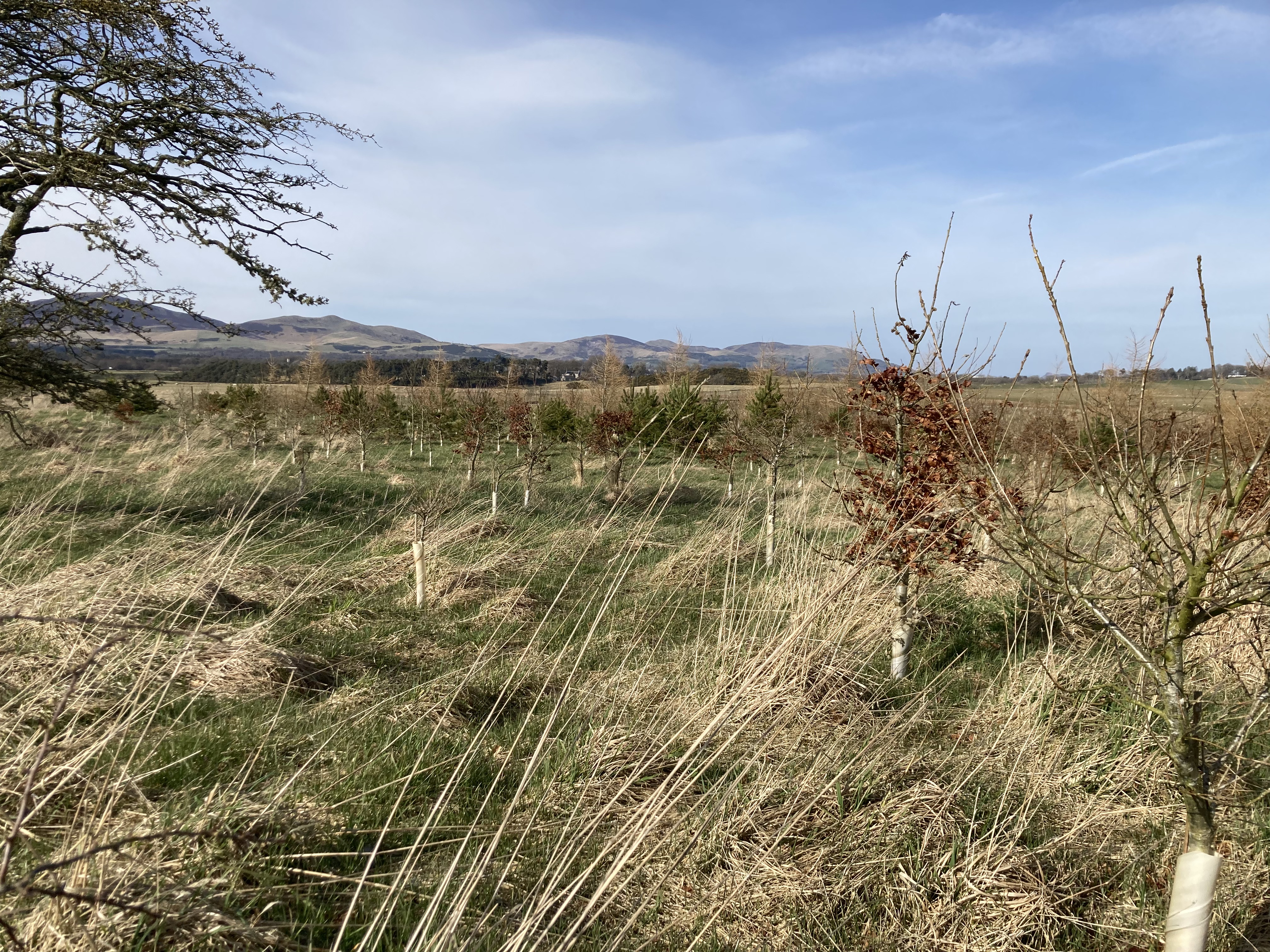
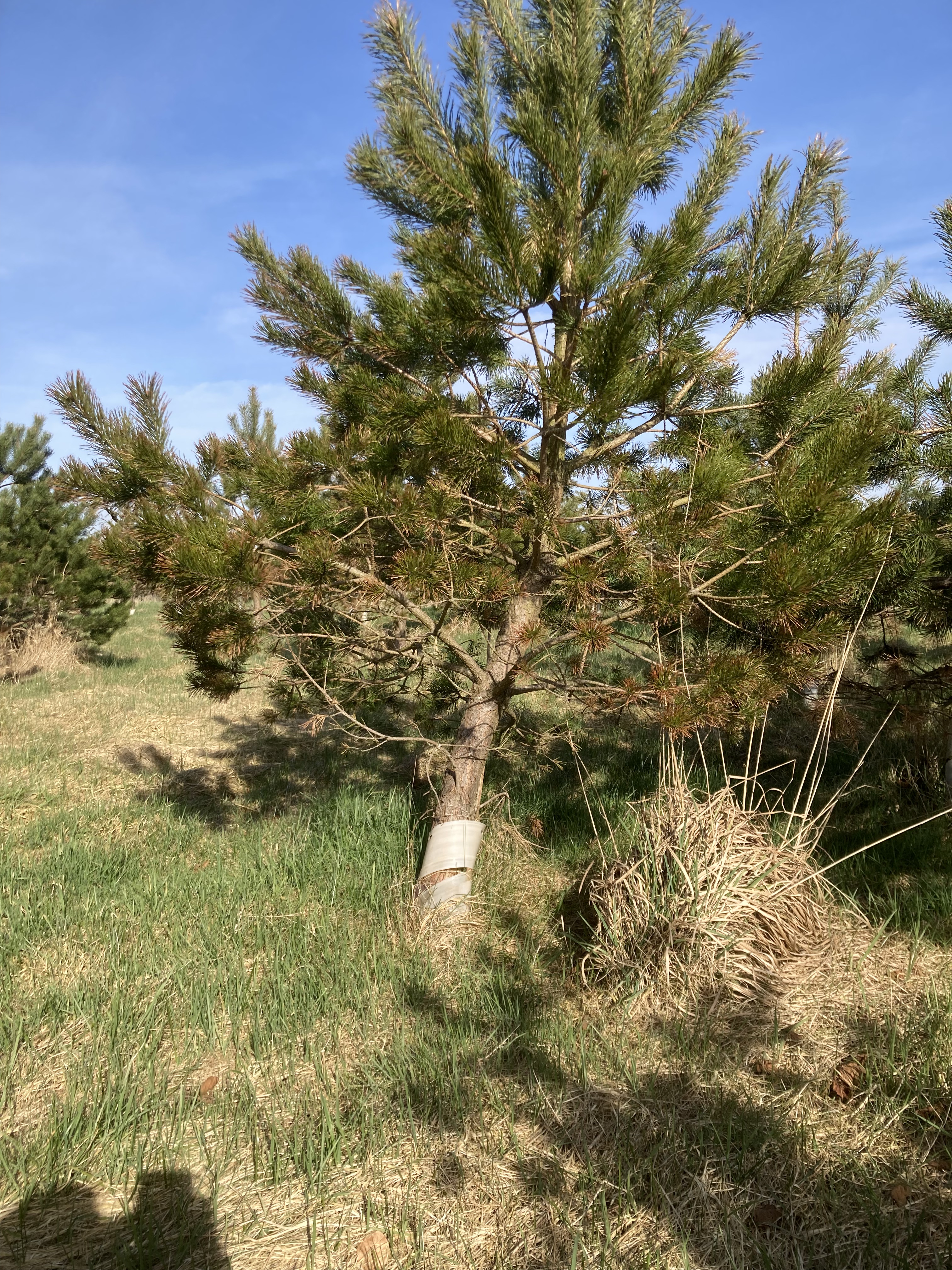
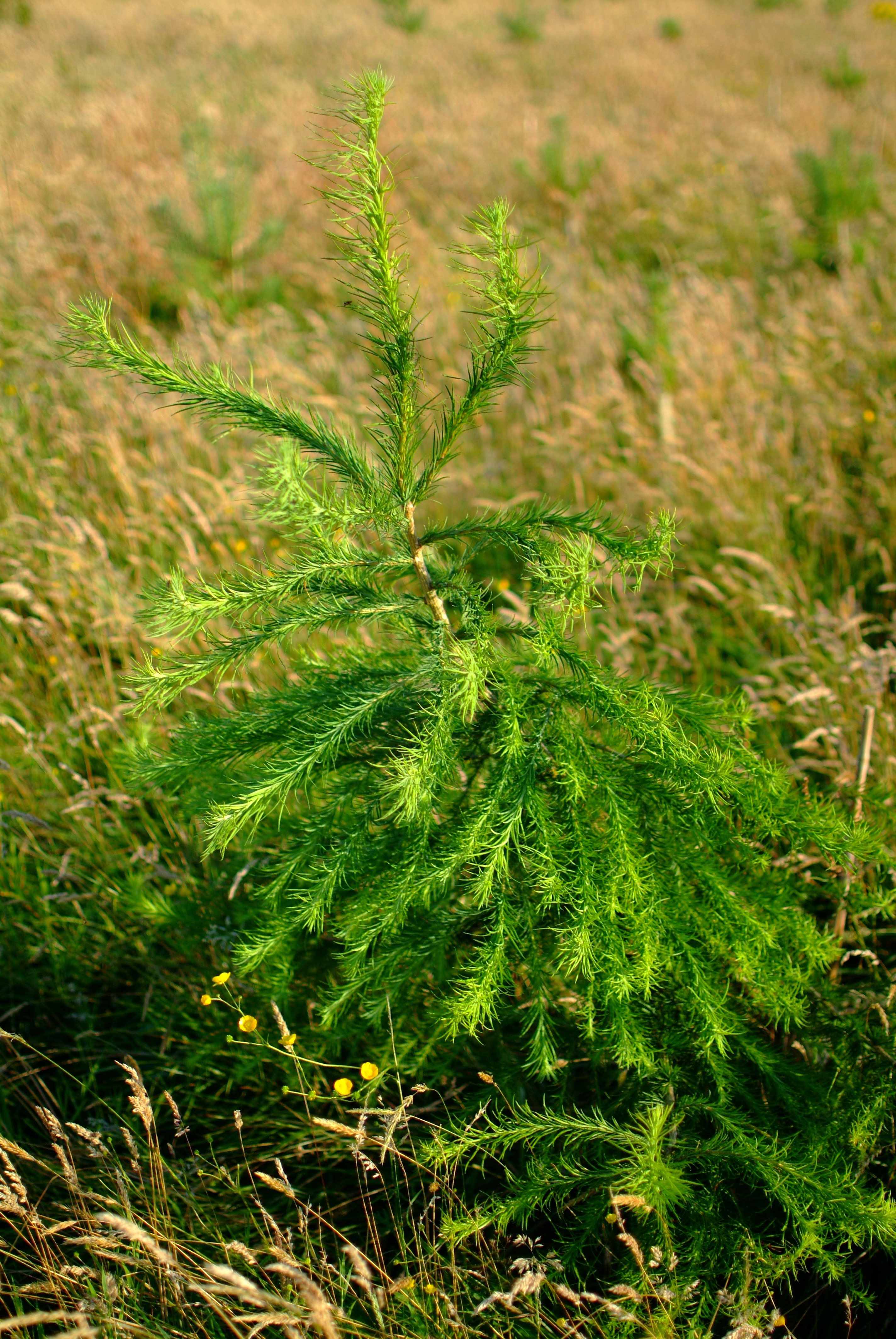
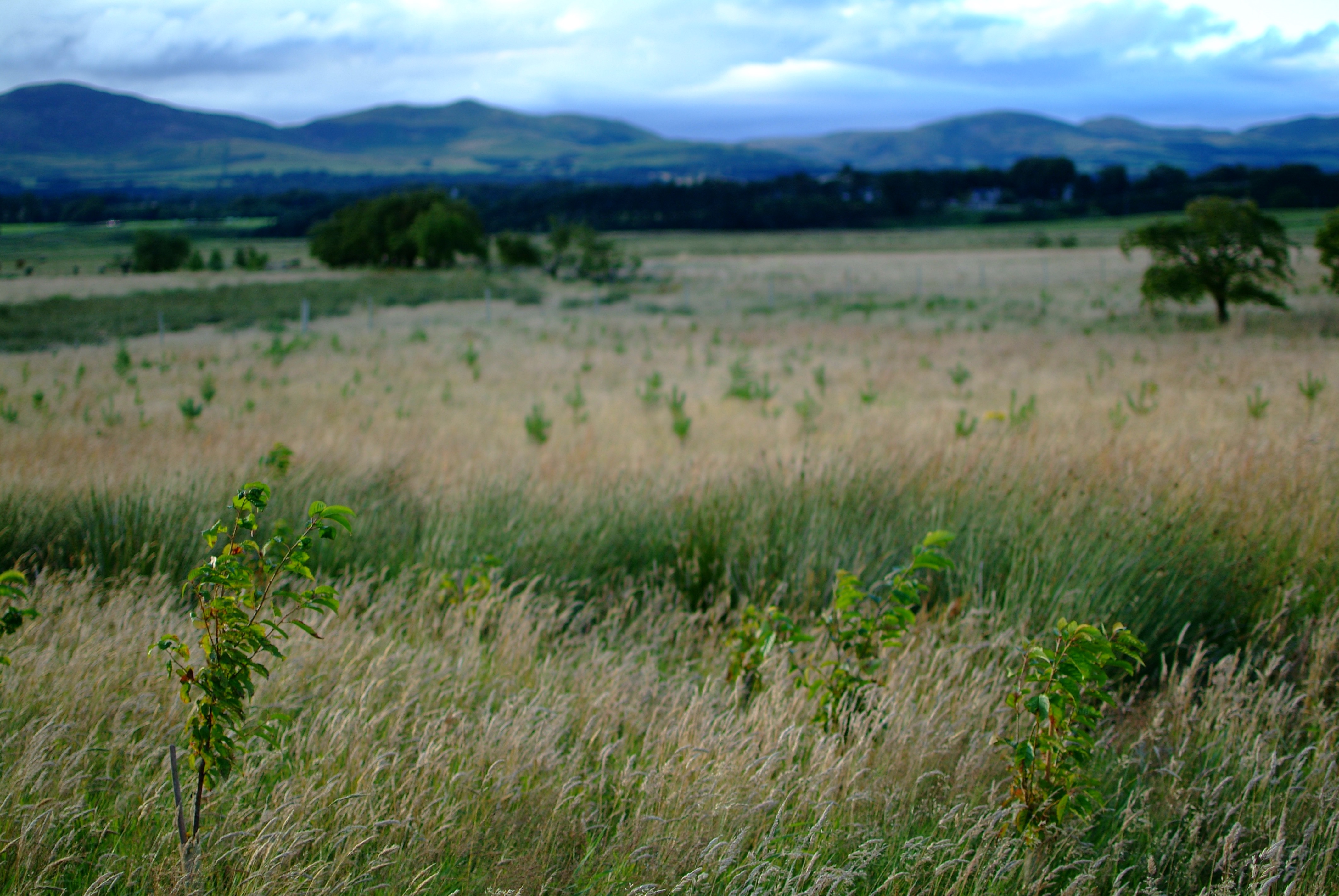
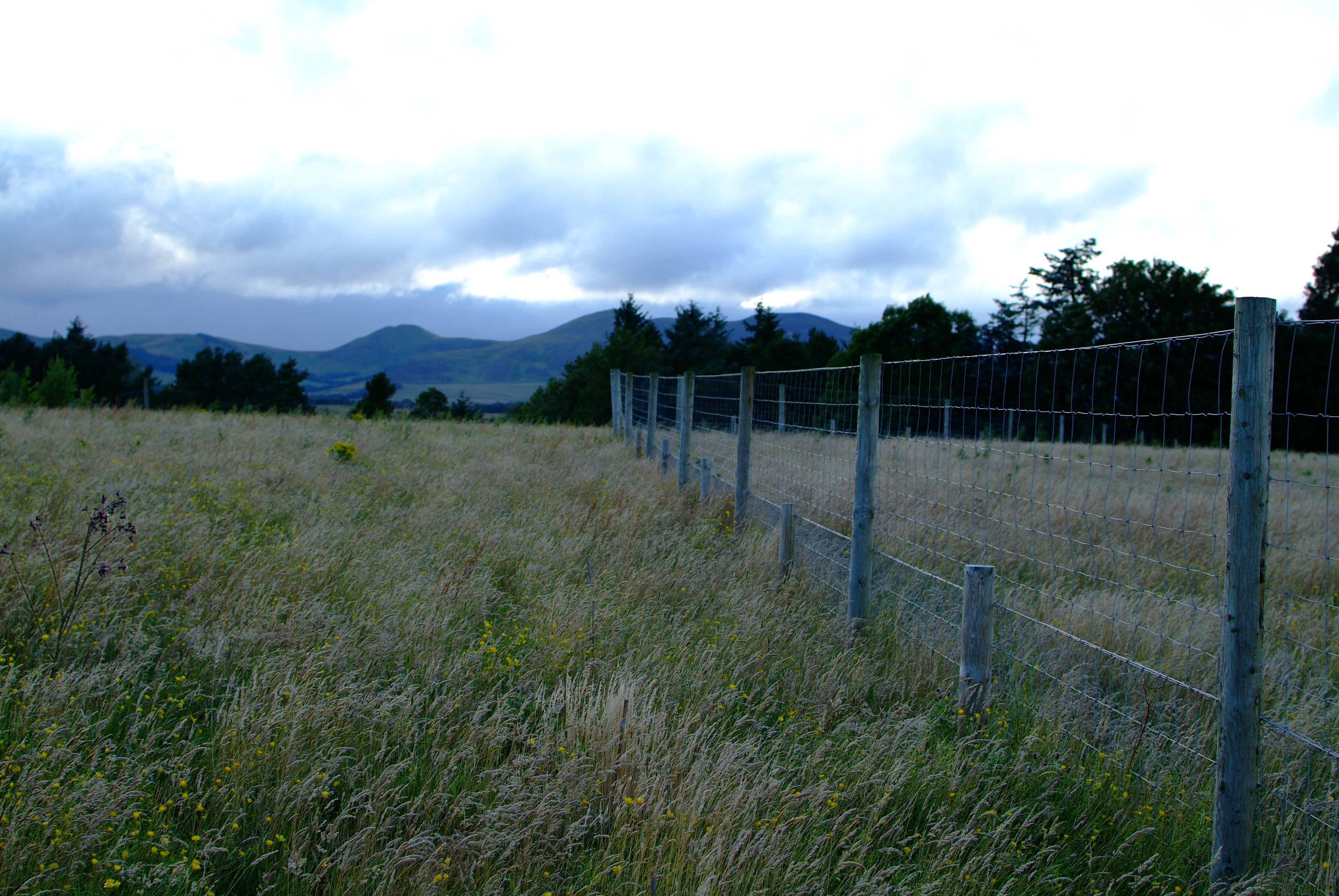
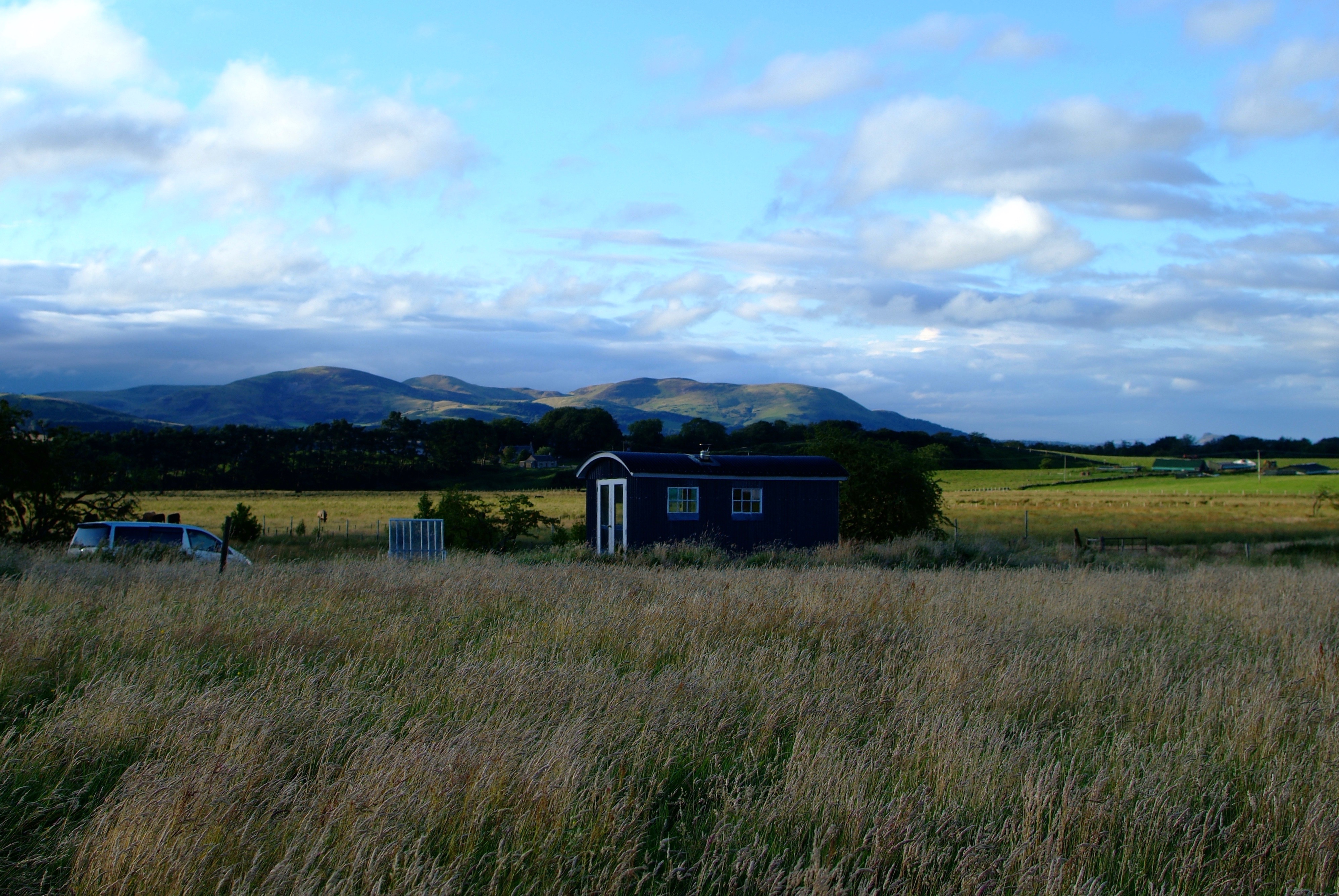
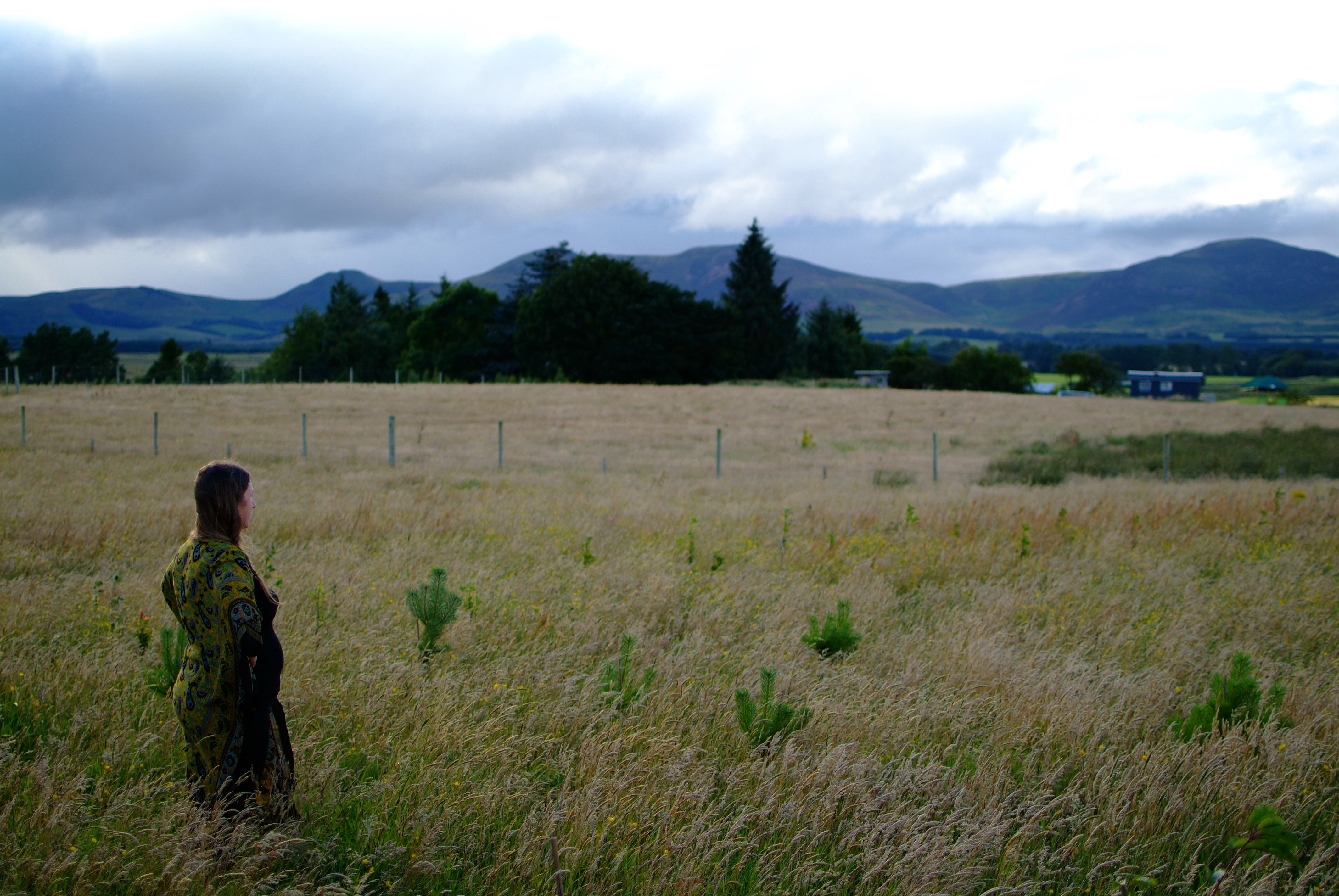
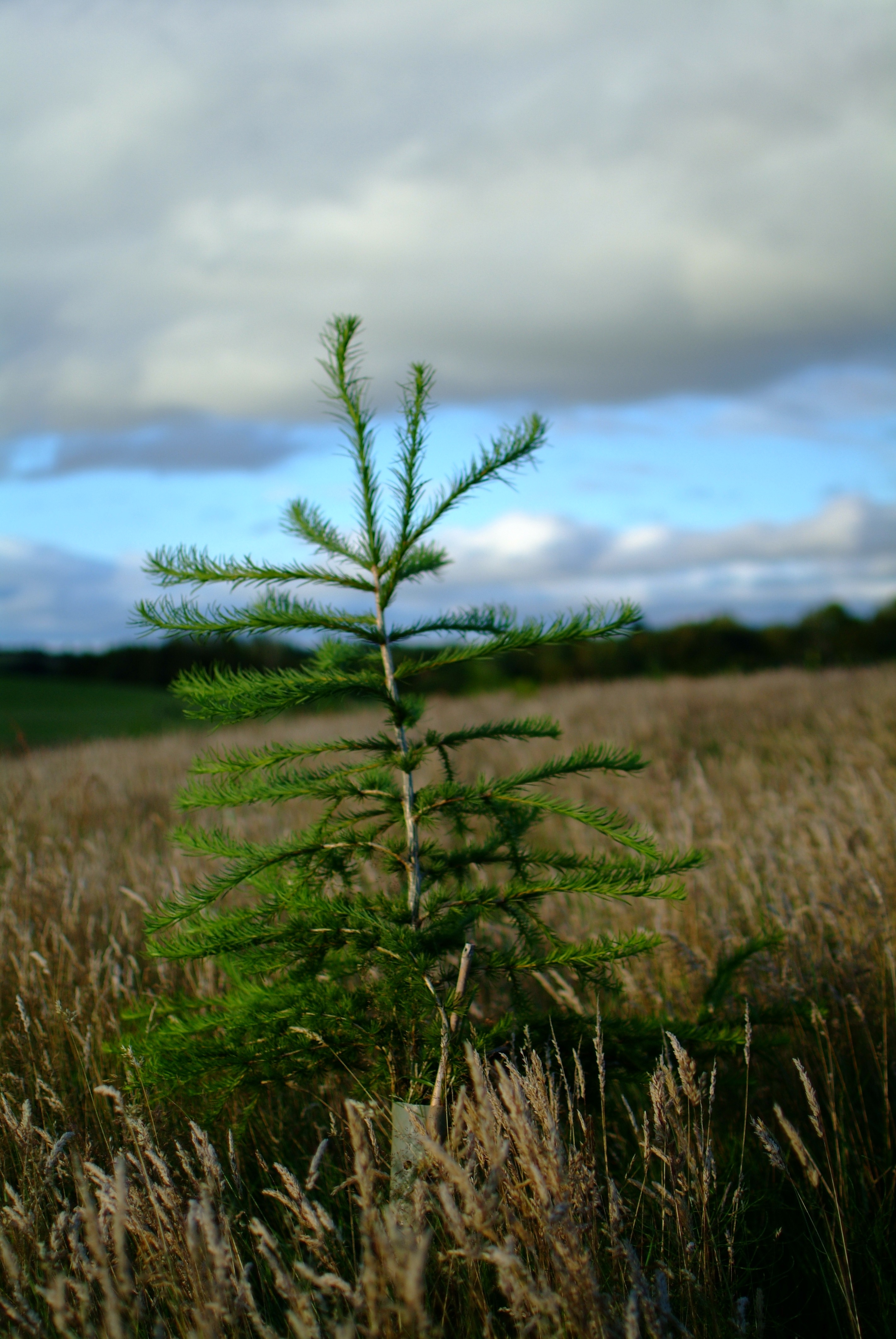
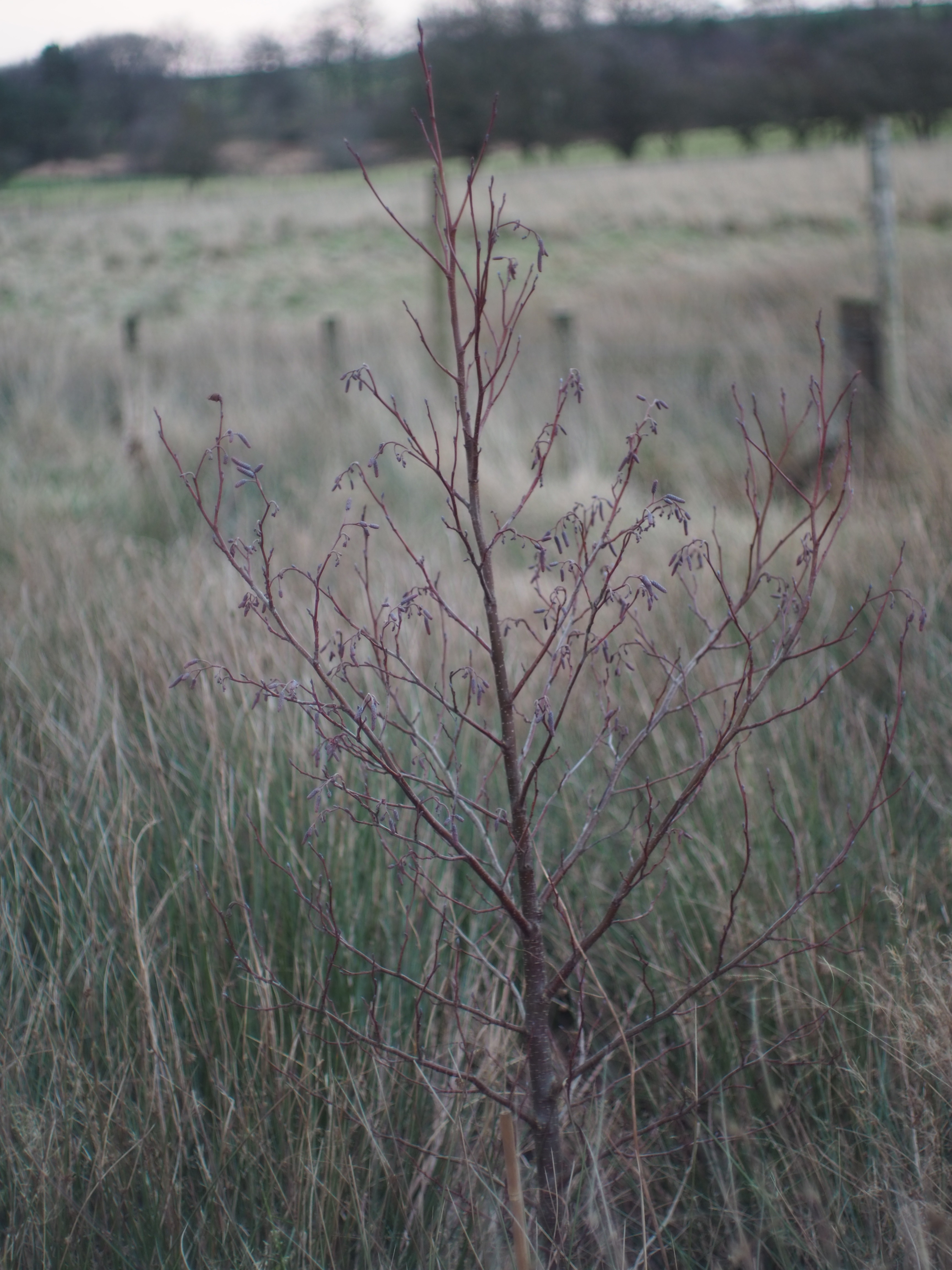
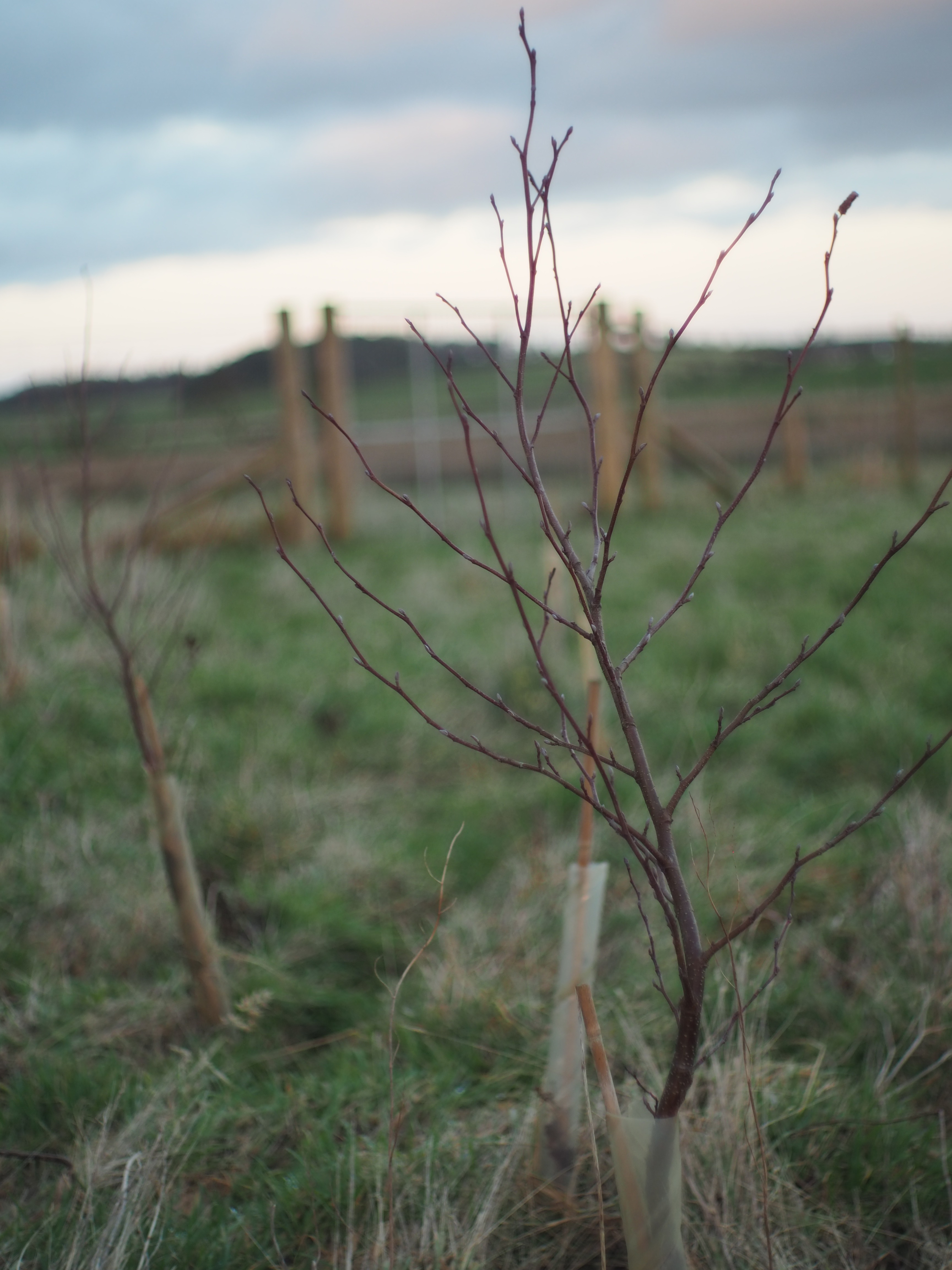
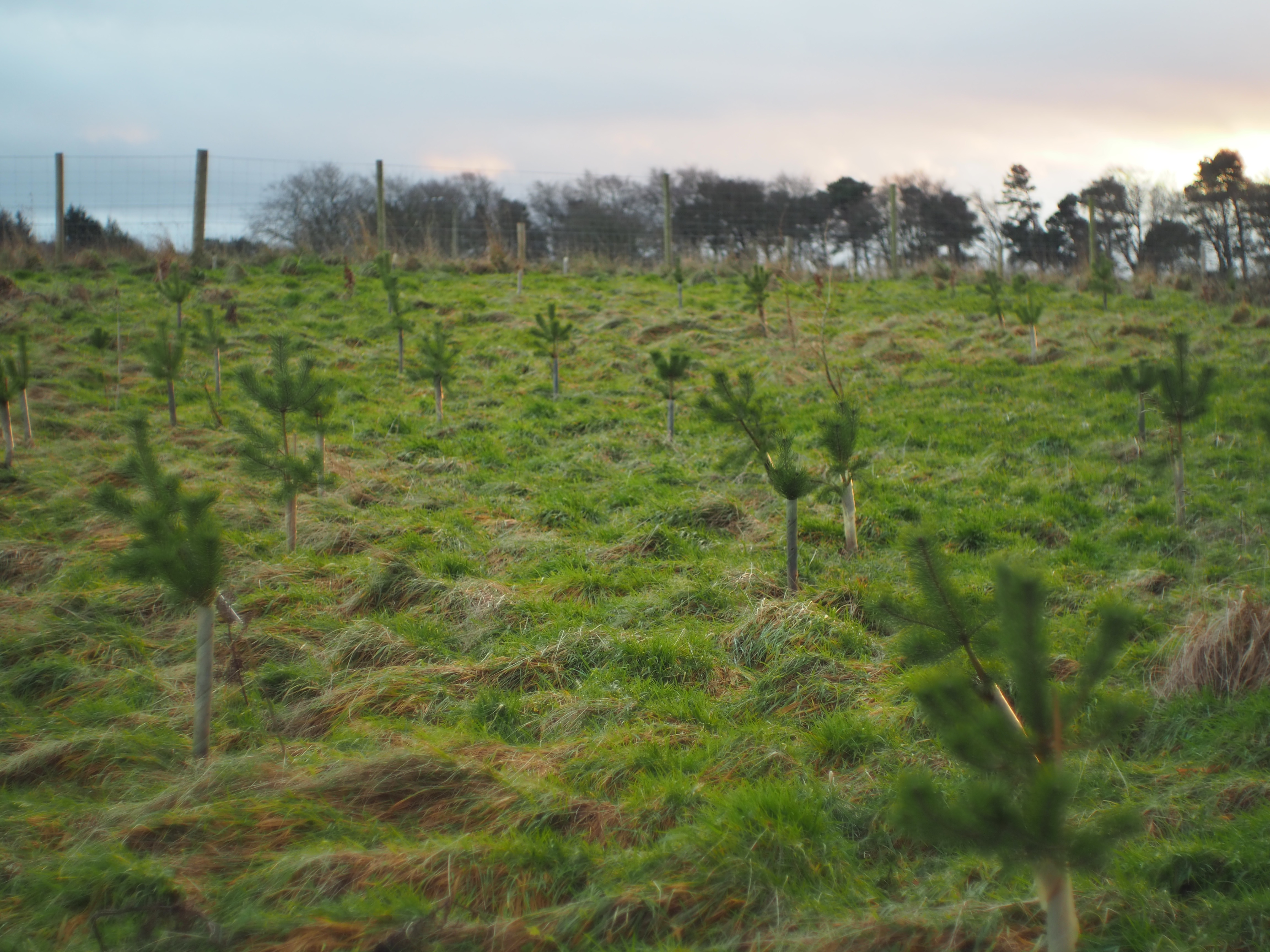
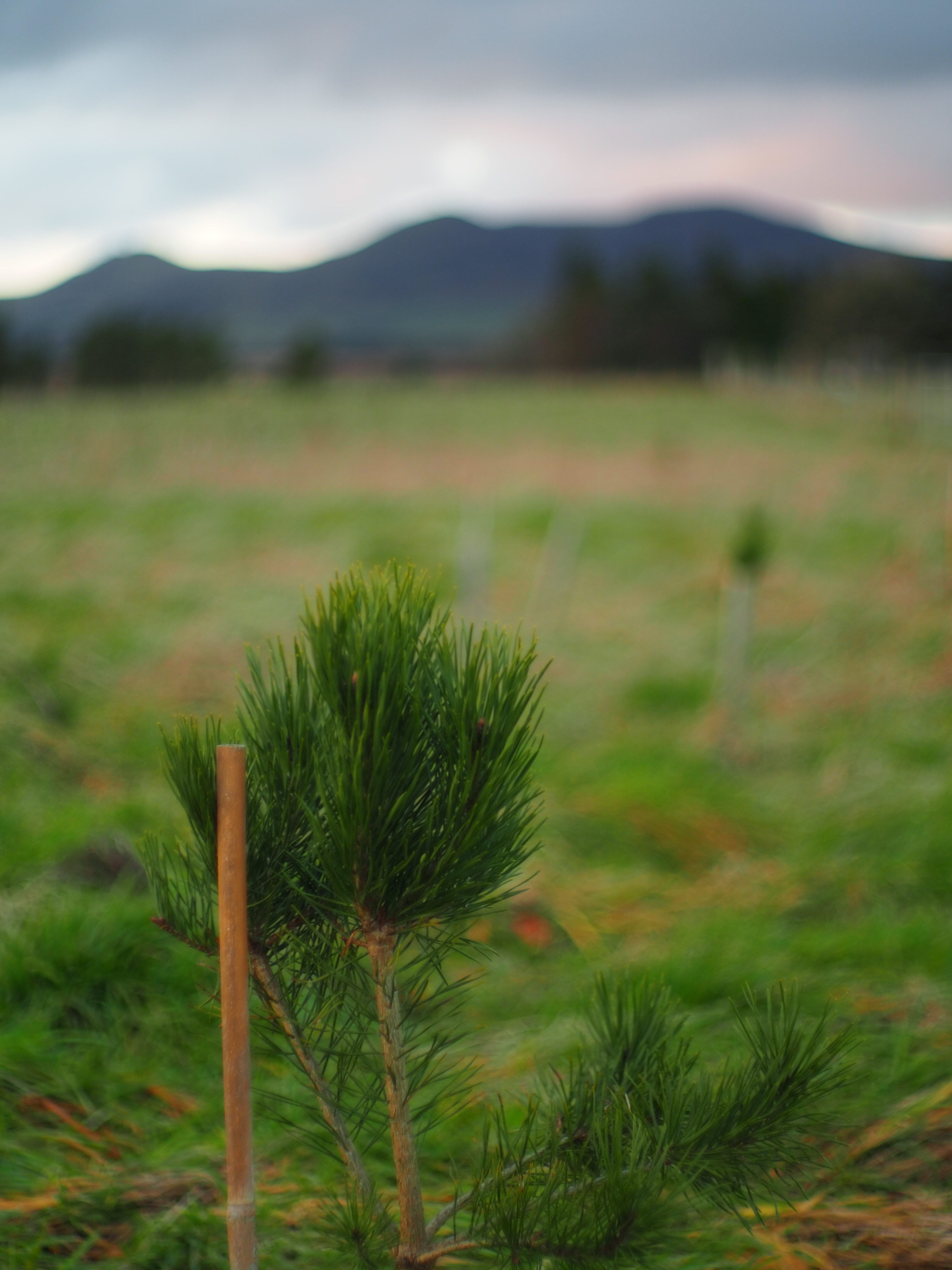
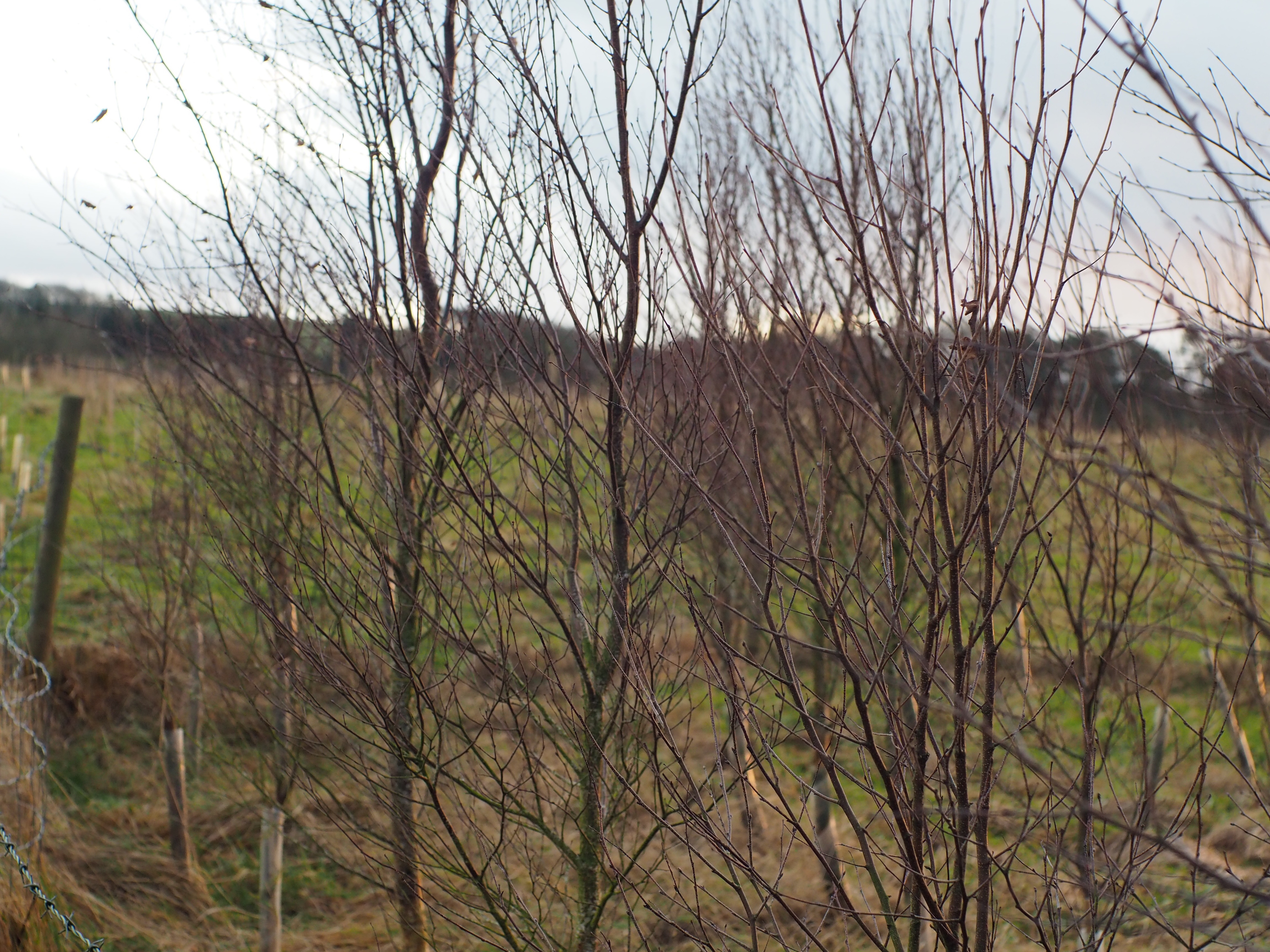
It feels like the rewilding of the site has started to reach some sort a tipping point. The site is still quite raw and wild – it’s a challenging, windy site, on plain overlooking the Pentland Hills. The heavy clay soils mean that there are large areas of wetland. But the woodland we started planting nearly ten years ago is really starting to take shape – in some parts of the land, we have proper trees now. The Alder, Scots Pine and Larch in particular have done really well, and as they create shelter for other trees, I would expect parts of the deer fenced woodland to develop quite quickly now, and provide further shelter, and habitat for animals and birds.
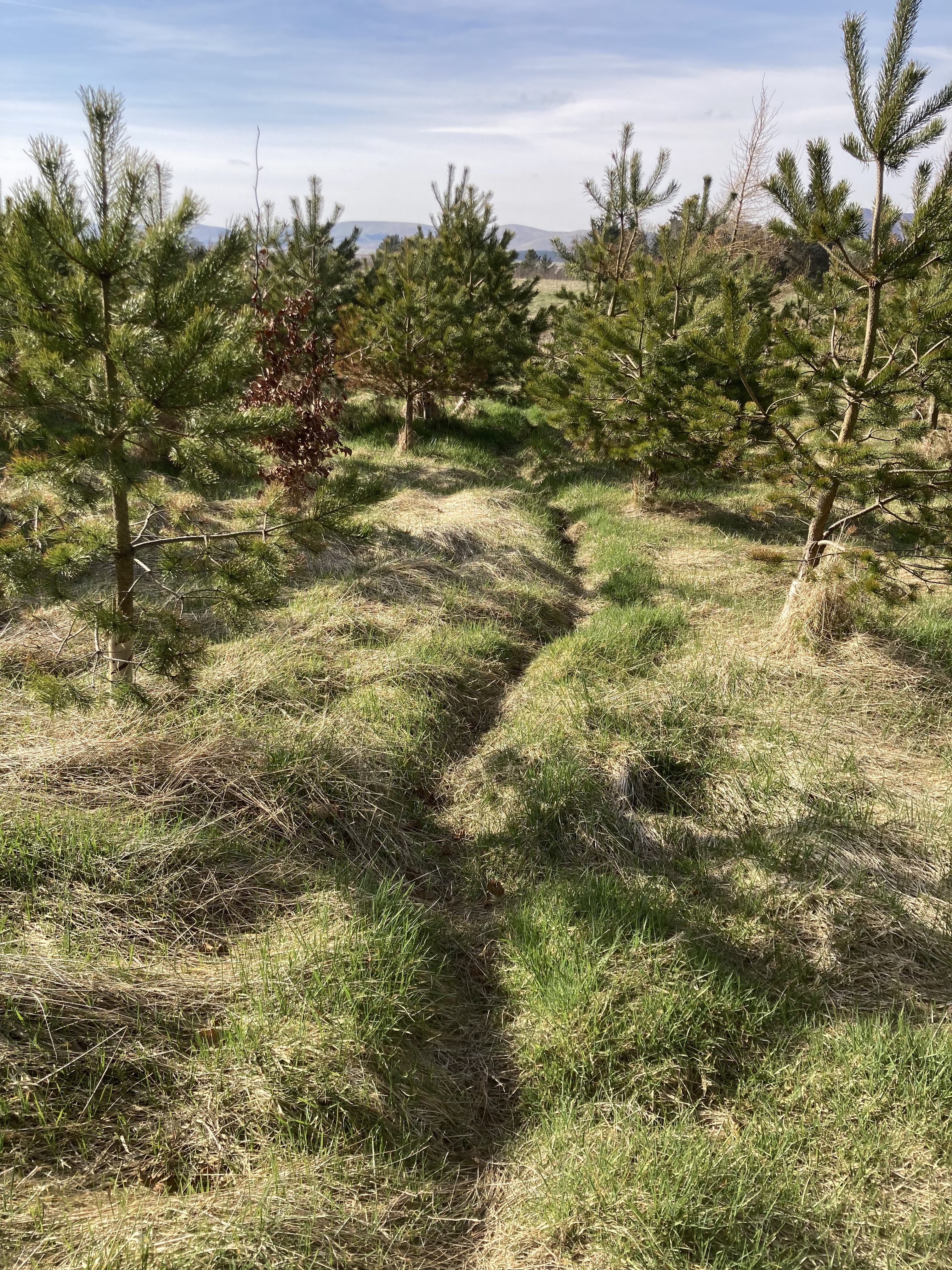
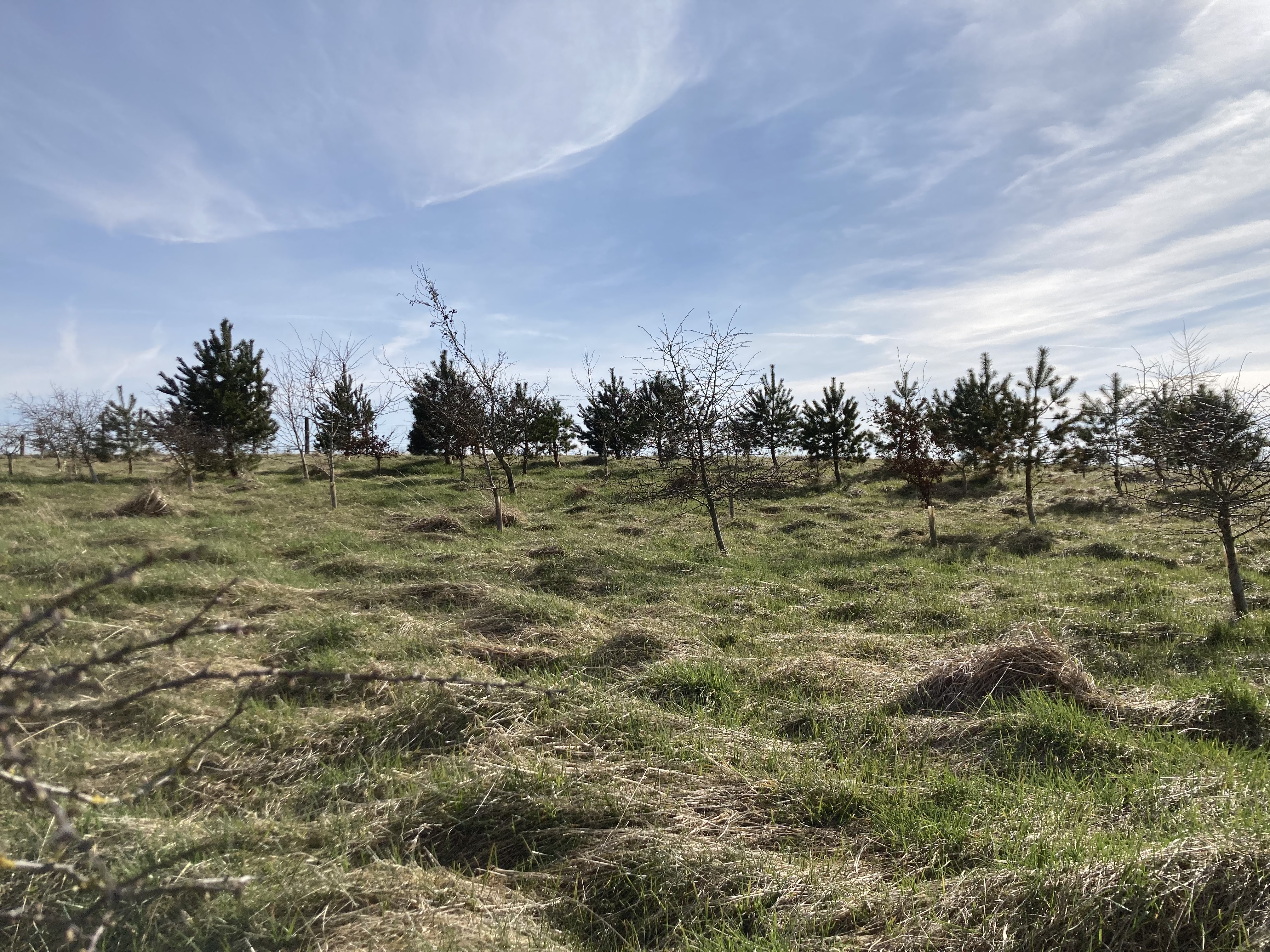
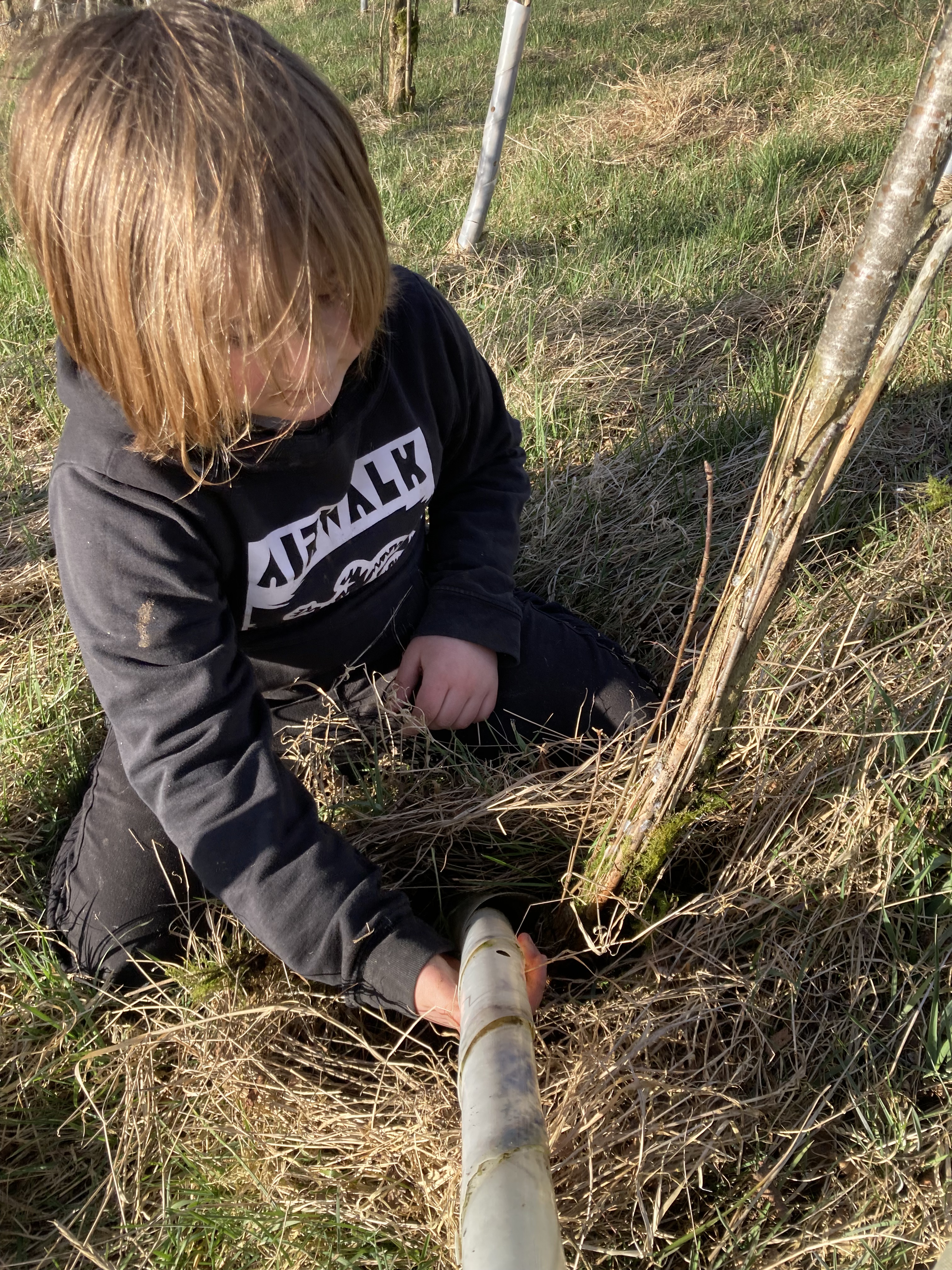
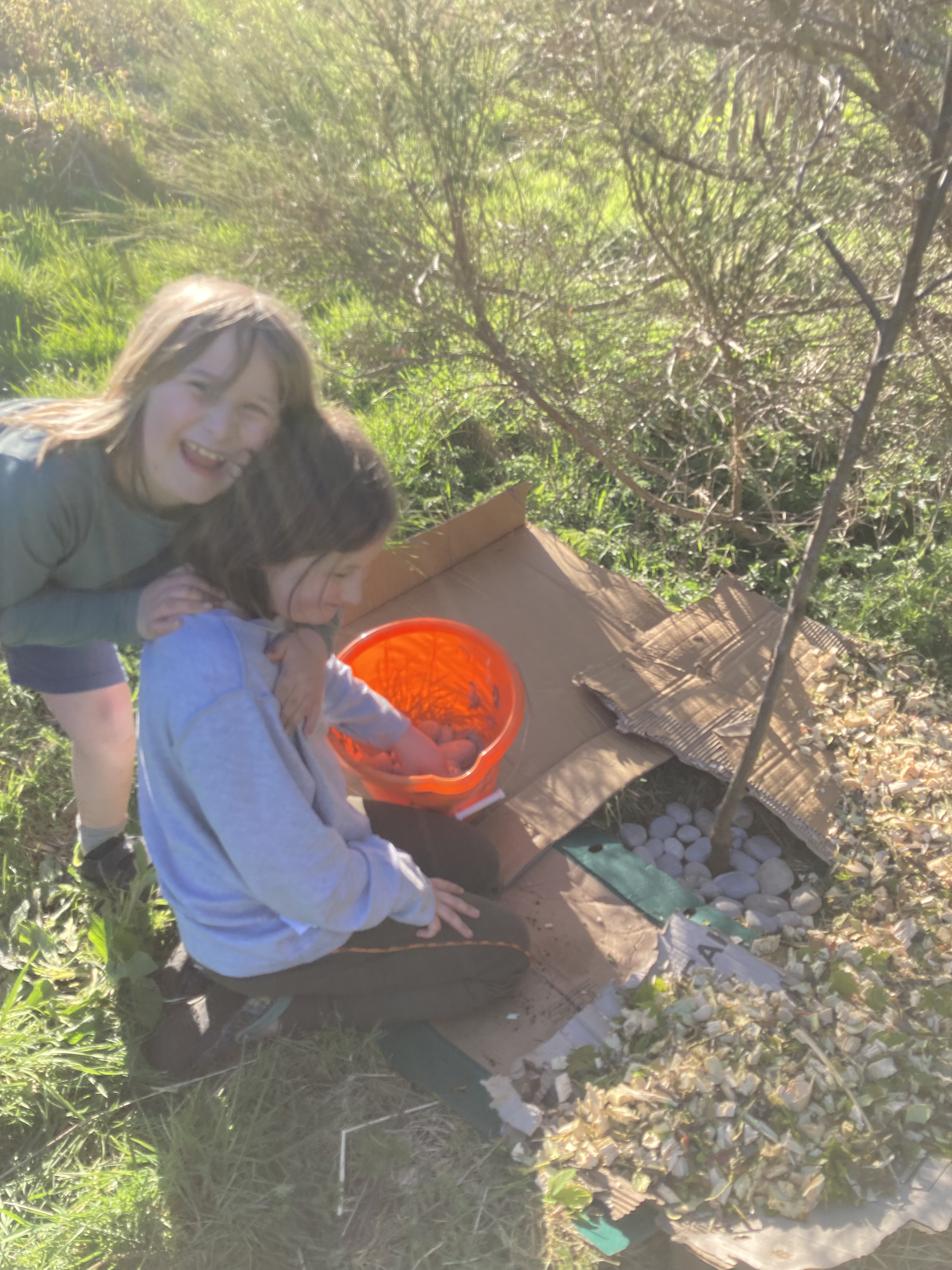
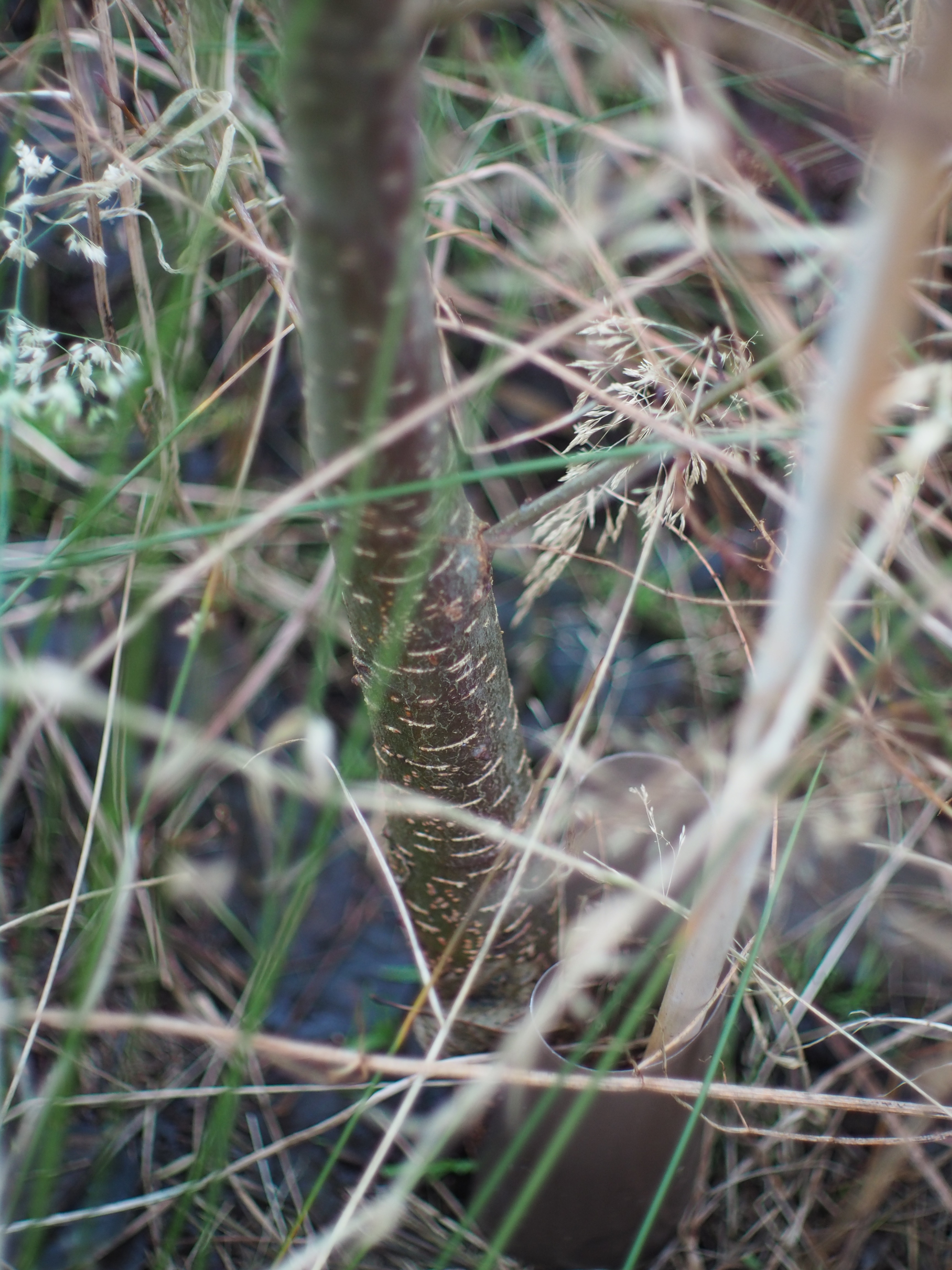
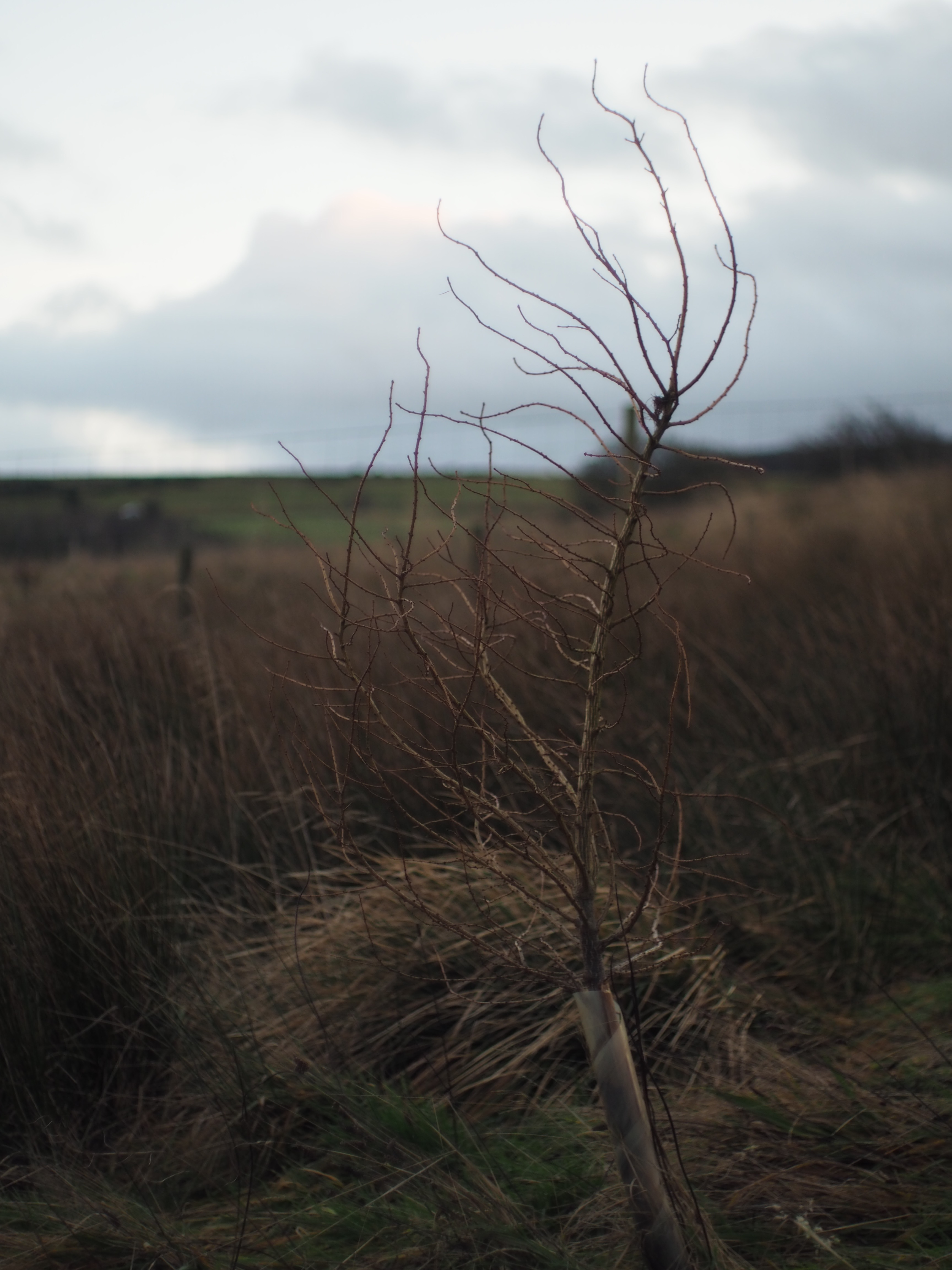
All that hard work we all put in years ago – planting and protecting so many trees, creating new hedgerows, shelter belts – has started to really change the site. Outside the deer fenced area, there have been significant losses of trees from browsing, but where we’ve used individual guards the trees have made it, and other trees that are being browsed could recover and leap up if they had secondary guards – another job on my list.

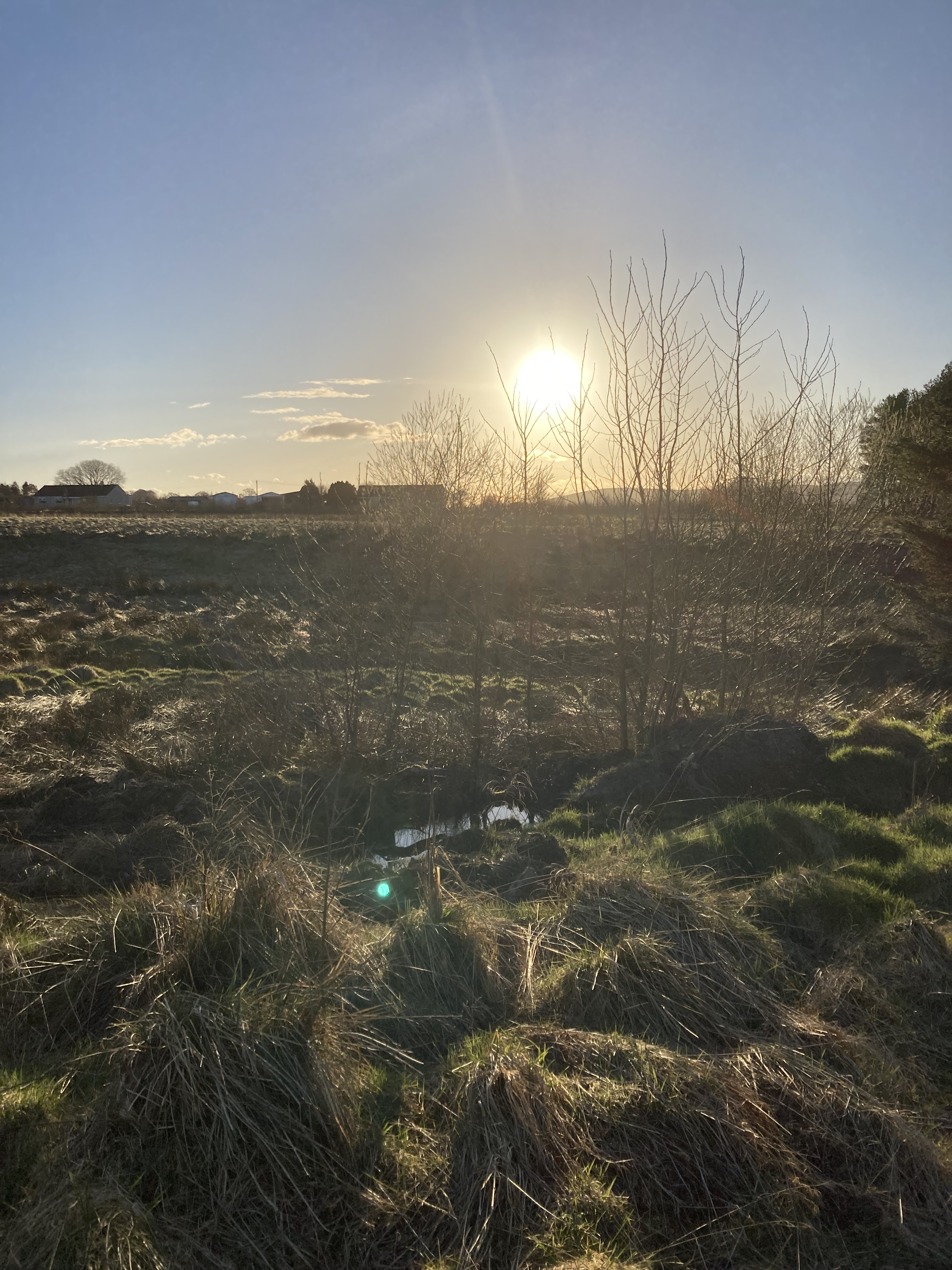
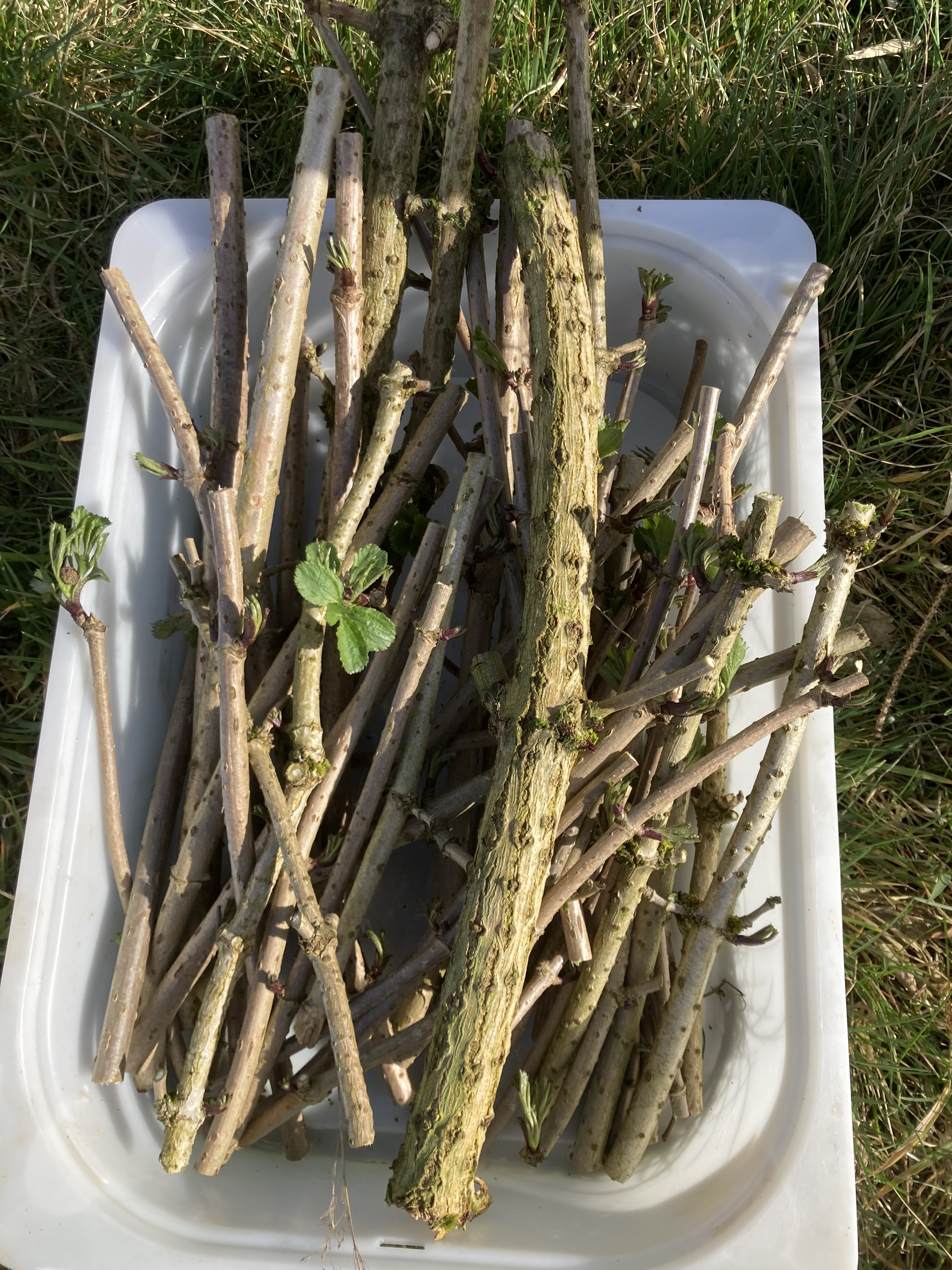
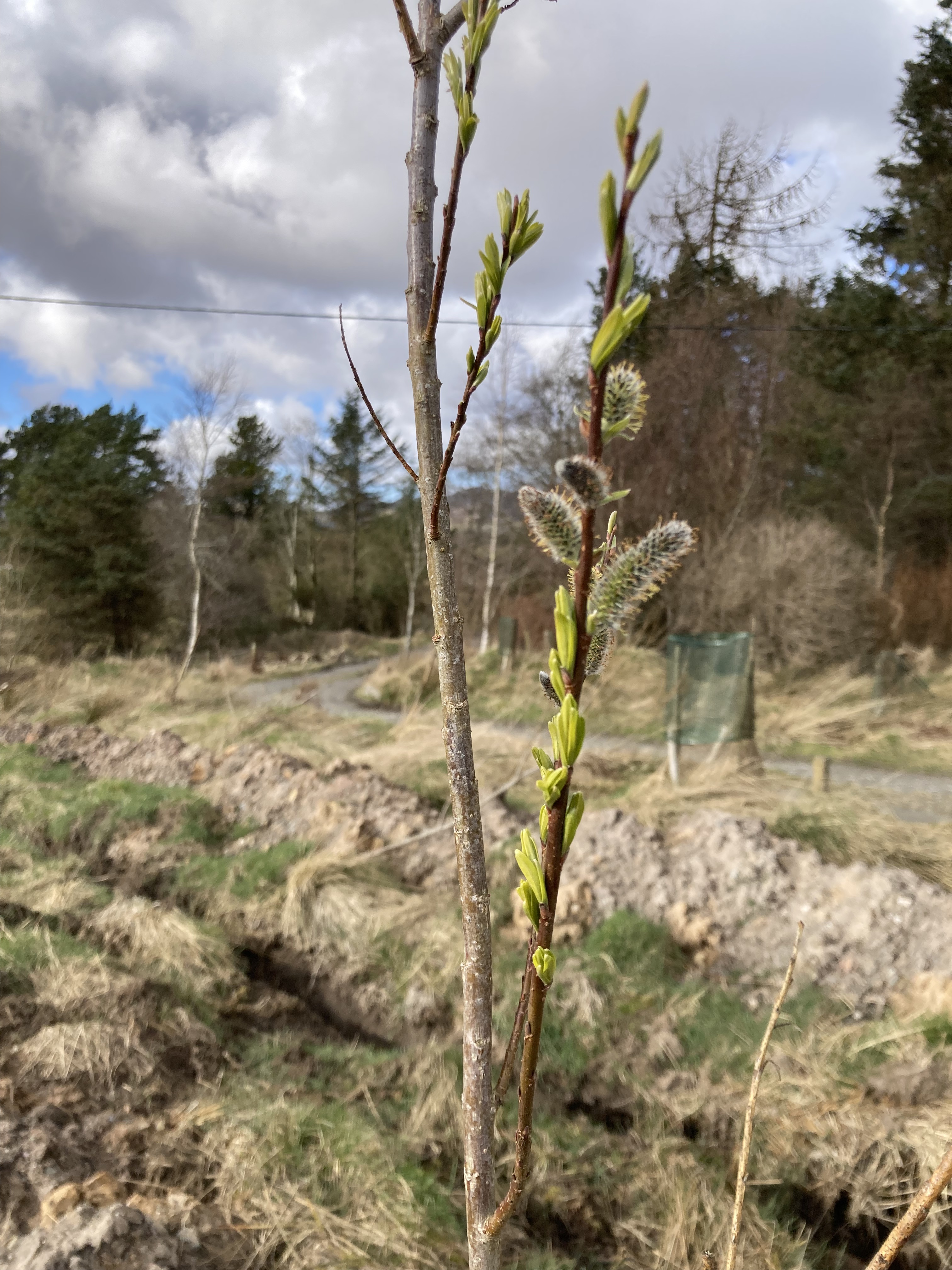
In terms of easy wins, the willow cuttings we planted have been a real success. One tree in particular is both huge and stunningly beautiful – it stands framed in a section of marshland to the right of the access track, swaying with the breeze, with the small canalised burn and wetland as it’s backdrop. It’s so prolific that although it’s only ten years old, I’ve been able to take dozens and dozens of large cuttings and then plant them out further into the riparian zone.

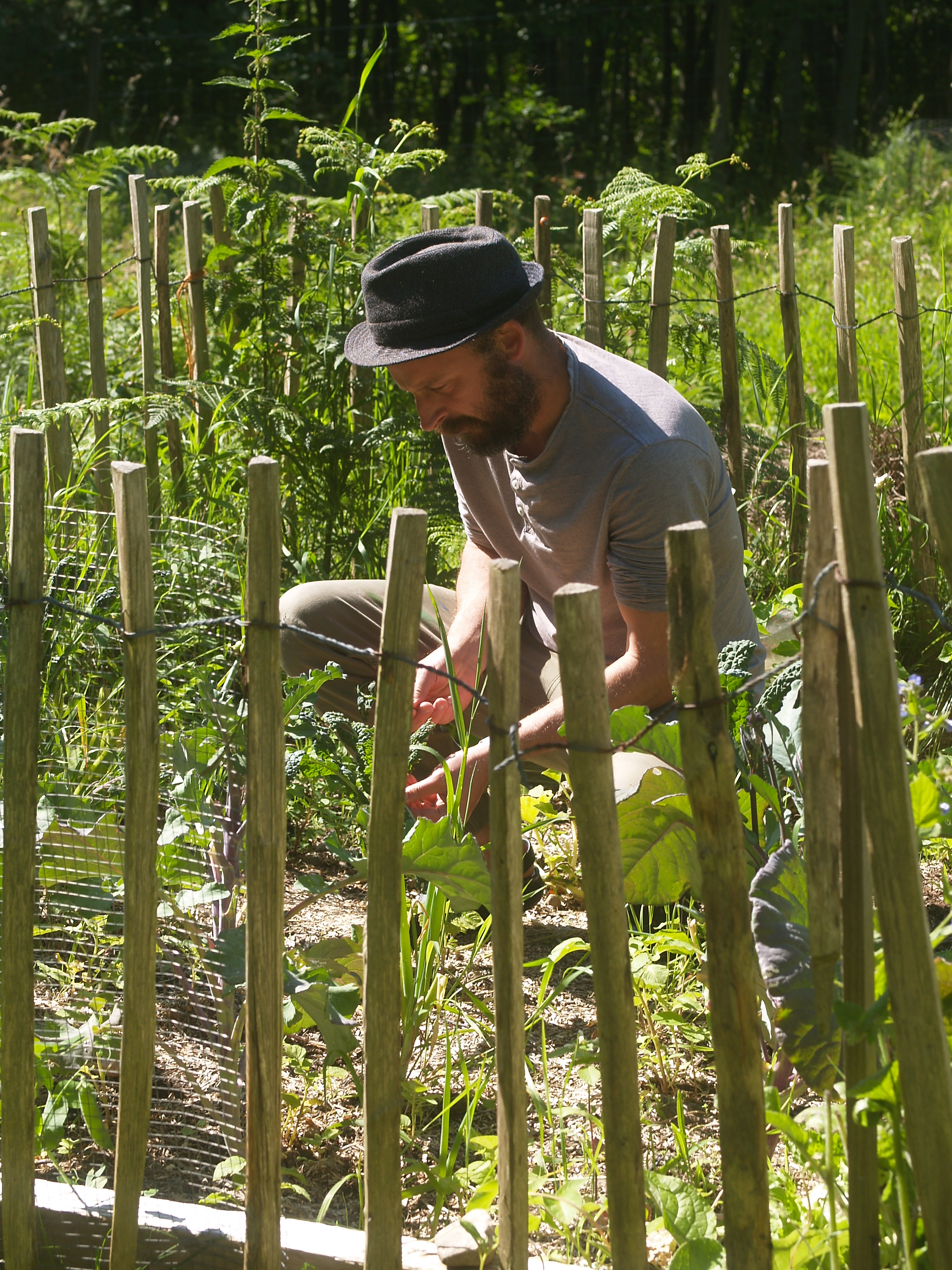
We’re feeling more positive about other aspects of the land project too, including things that felt overwhelming last year. Our good friend Dave Forsyth is helping to manage the site, including the landscaping and the prep work for the small eco-house we are hoping to build in the next year, with a team of great folk we have met up here in Moray. We’ve just prepped the ground for a very cool (well, hopefully warm!) timber framed polytunnel which should be installed next month, and we’ll be digging the second of our wildlife ponds soon.

I’ve also been inspired by the hugely energetic Phil Sturgeon who runs the “Protect Earth” project at to try a series of “leaky dams” in the burn, which promised to be a lot of muddy fun in the summer months.

One of the things I love about a project like this is noticing, over time, what resources you have to work with one site, and how to move them around for best effect.

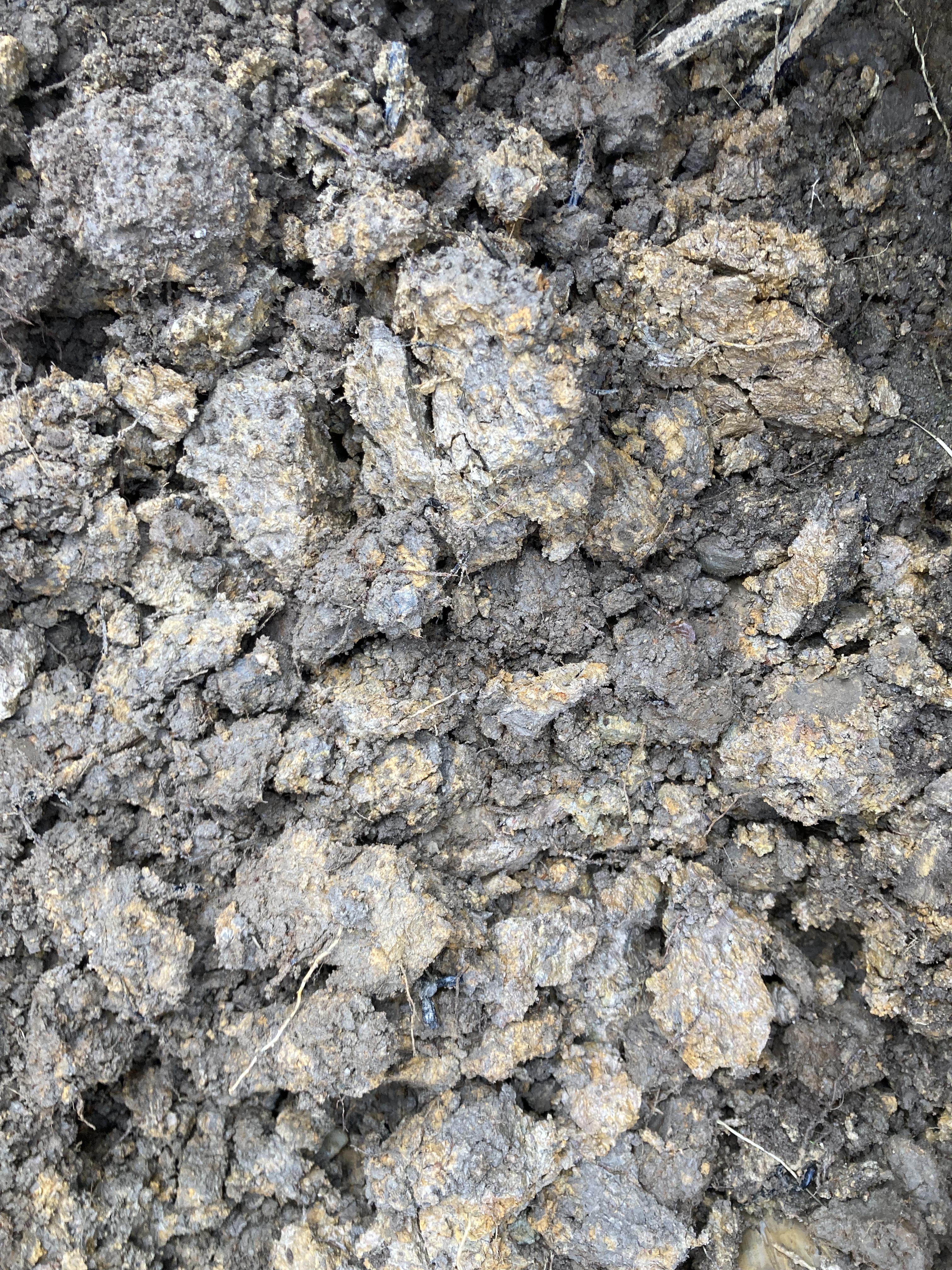
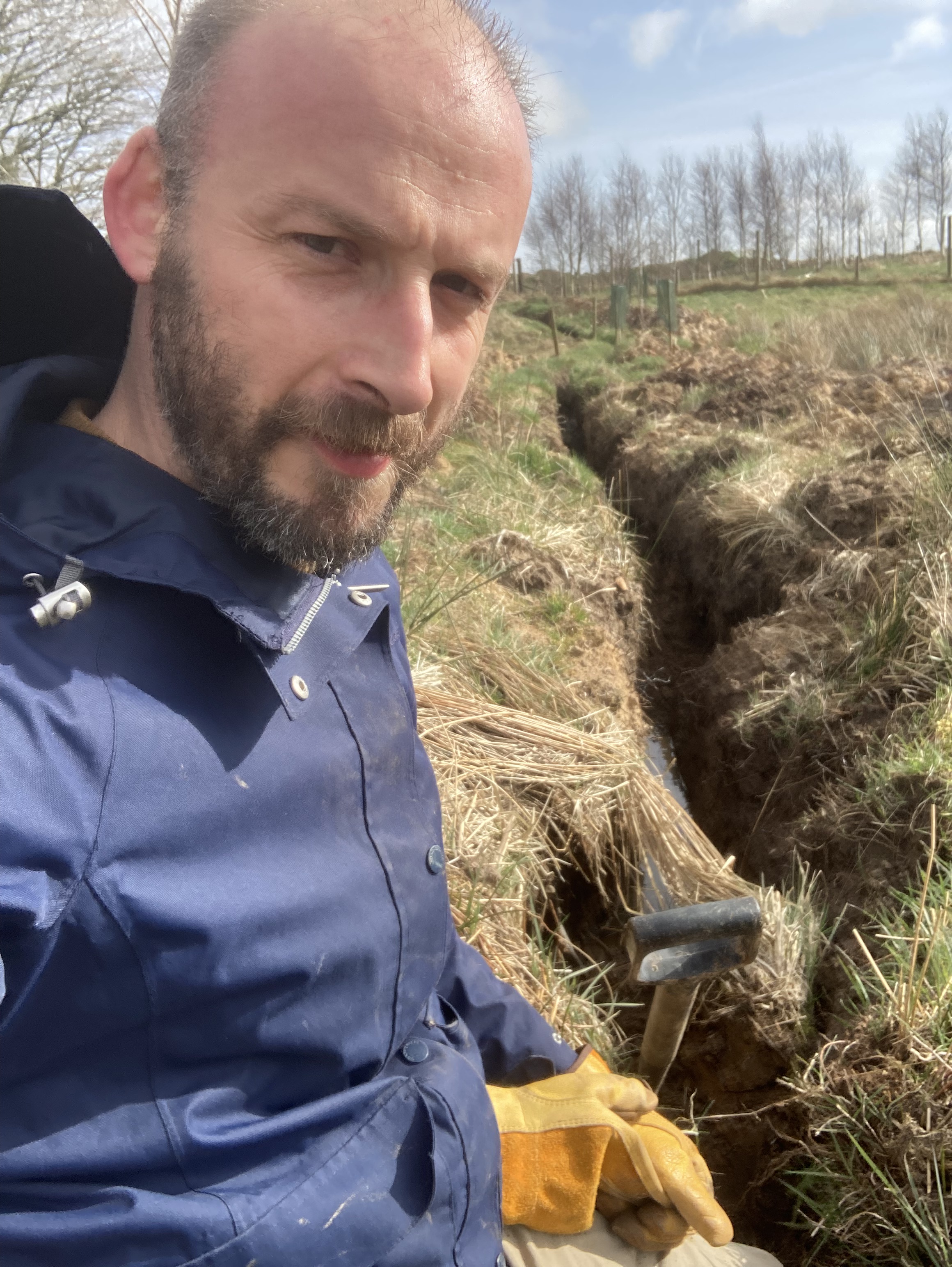
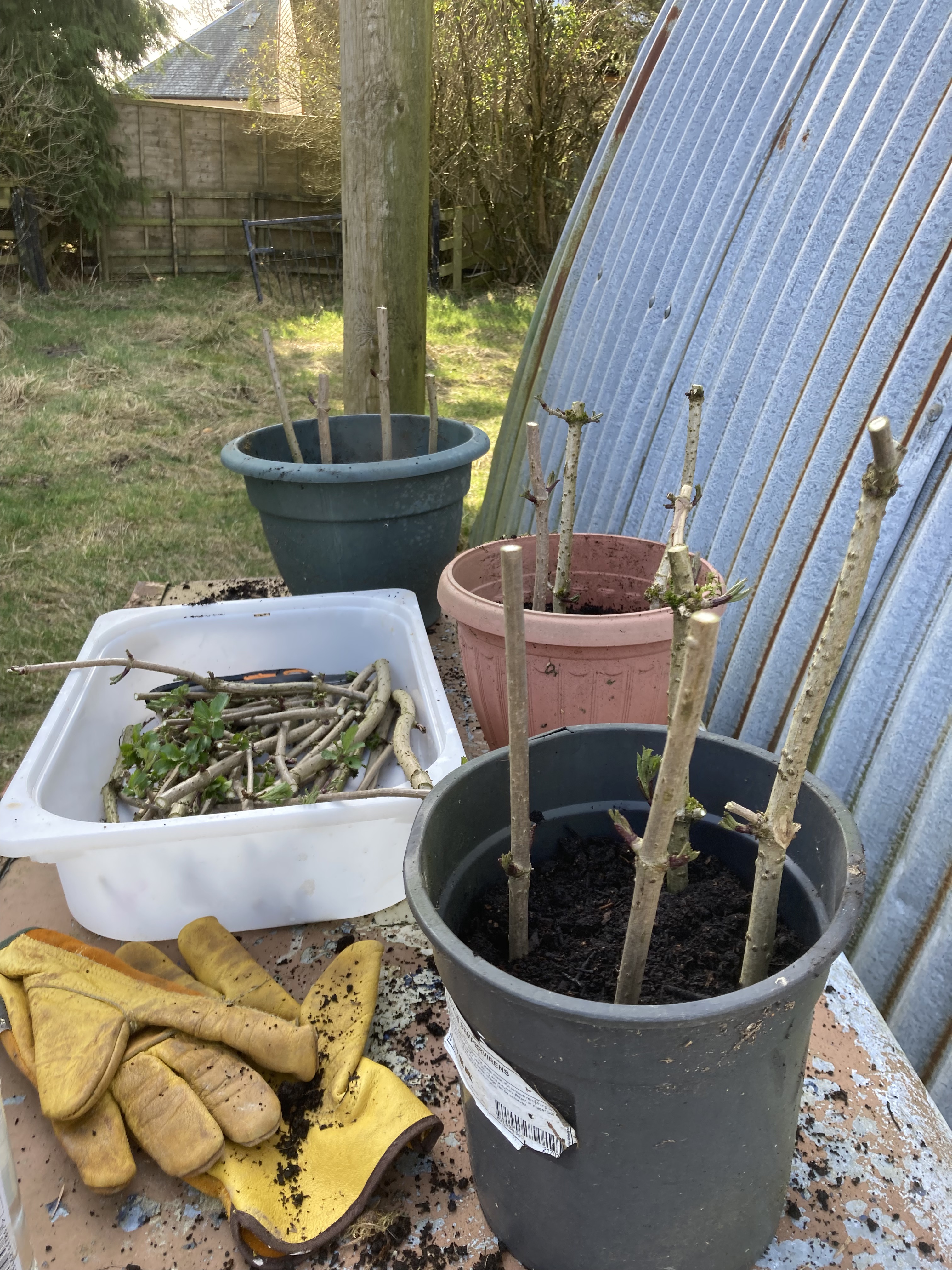
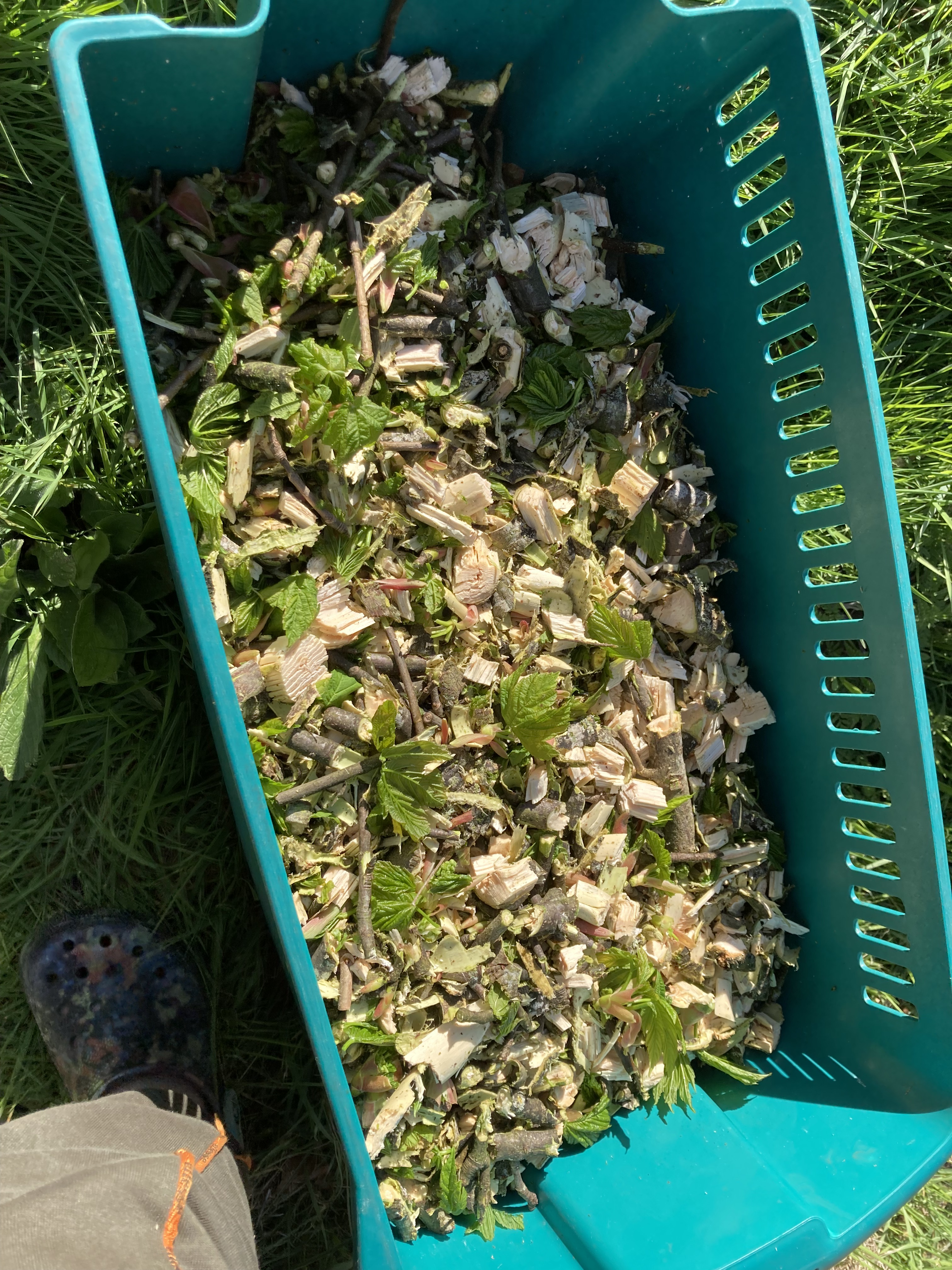
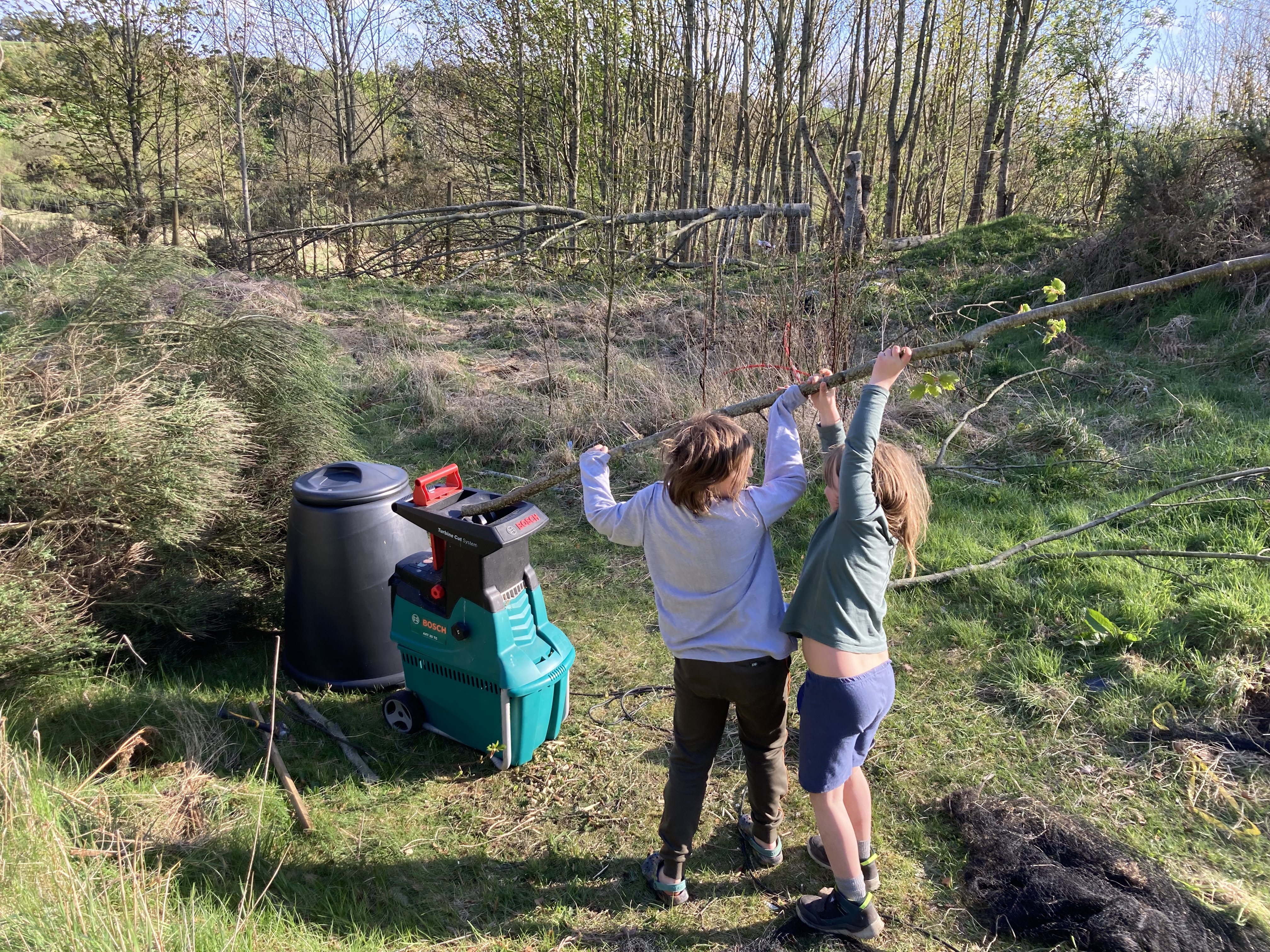
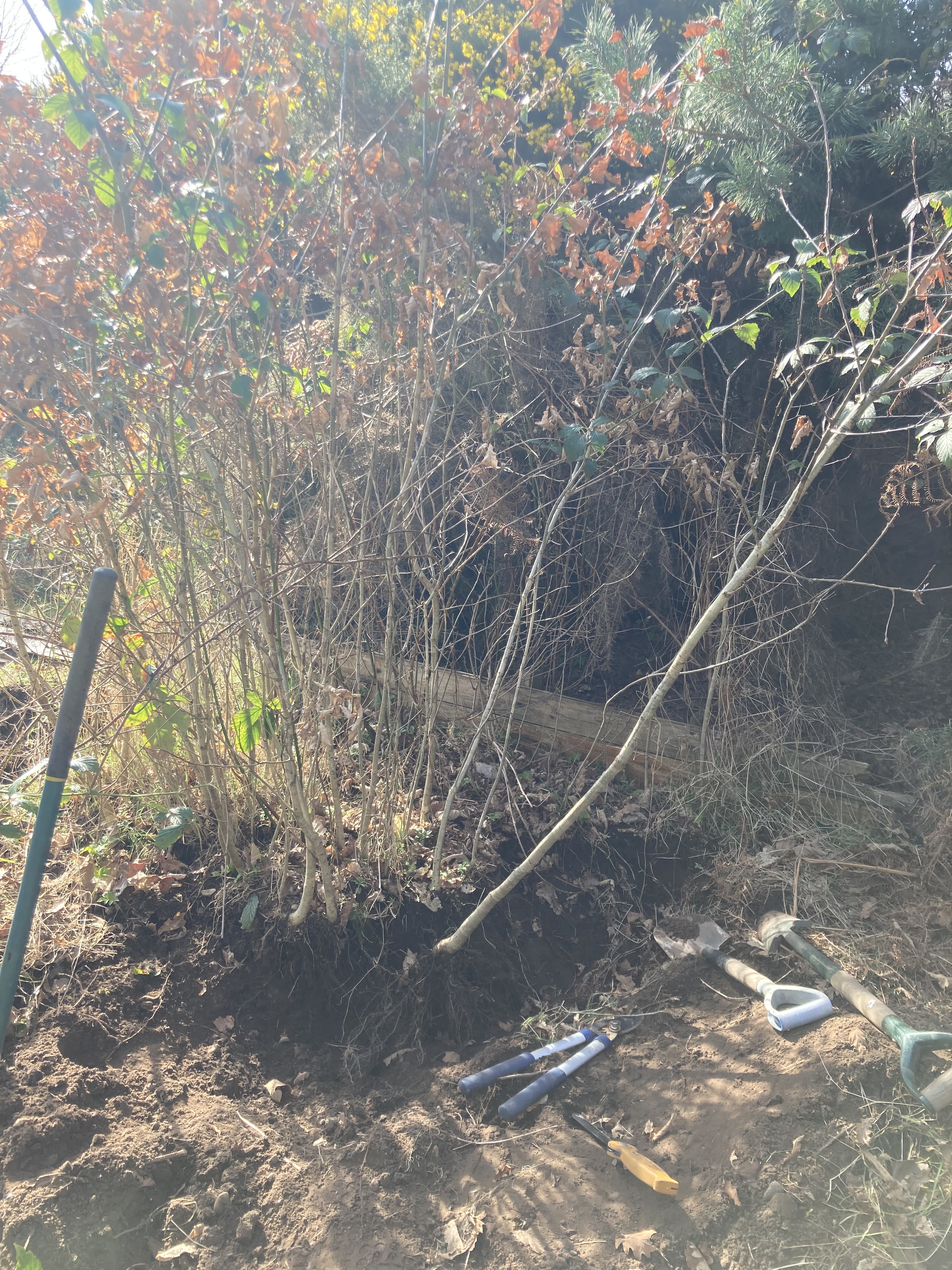
For example, when I was digging out the a collapsed section of the trench for the electrical connection, I found a huge bed of raw natural clay which we can use; we’ve got loads of great topsoil to use from excavator the access road; I’ve been taking cuttings of an elder tree that’s getting shaded out by the neighbours leylandii and planting them by the dozen; taking willow branches from a tree that was planted 10 years ago, and plonking them straight into the wetland; growing new fruit bushes from cuttings, and moving raspberry runners to new locations. All free resources, close at hand!
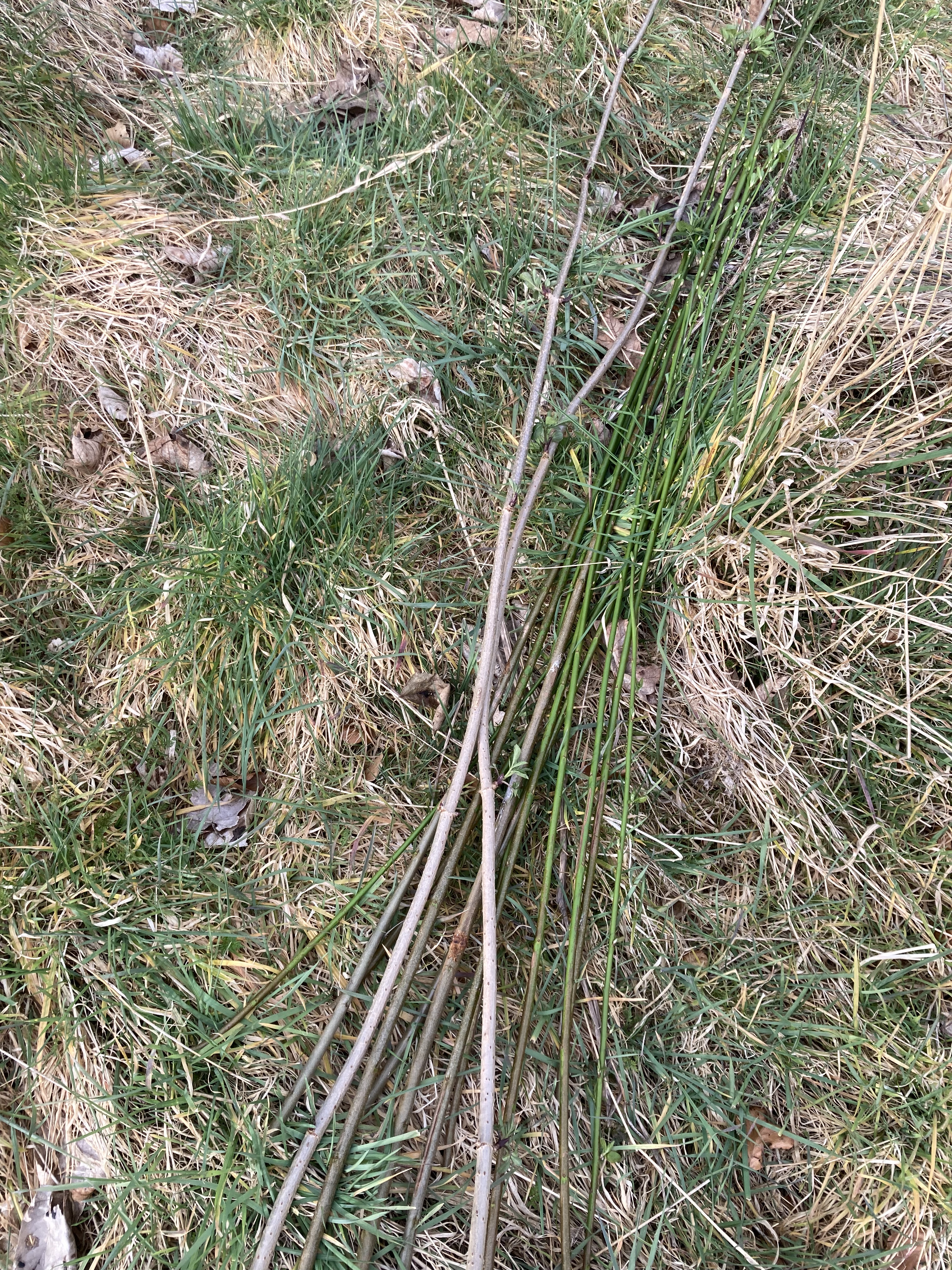
I’m hoping to learn how to graft fruit trees next, and then I can use the branches we prune from our young orchard at Badgers Wood to make more fruit trees, grafted onto the crab apples I have grown there.

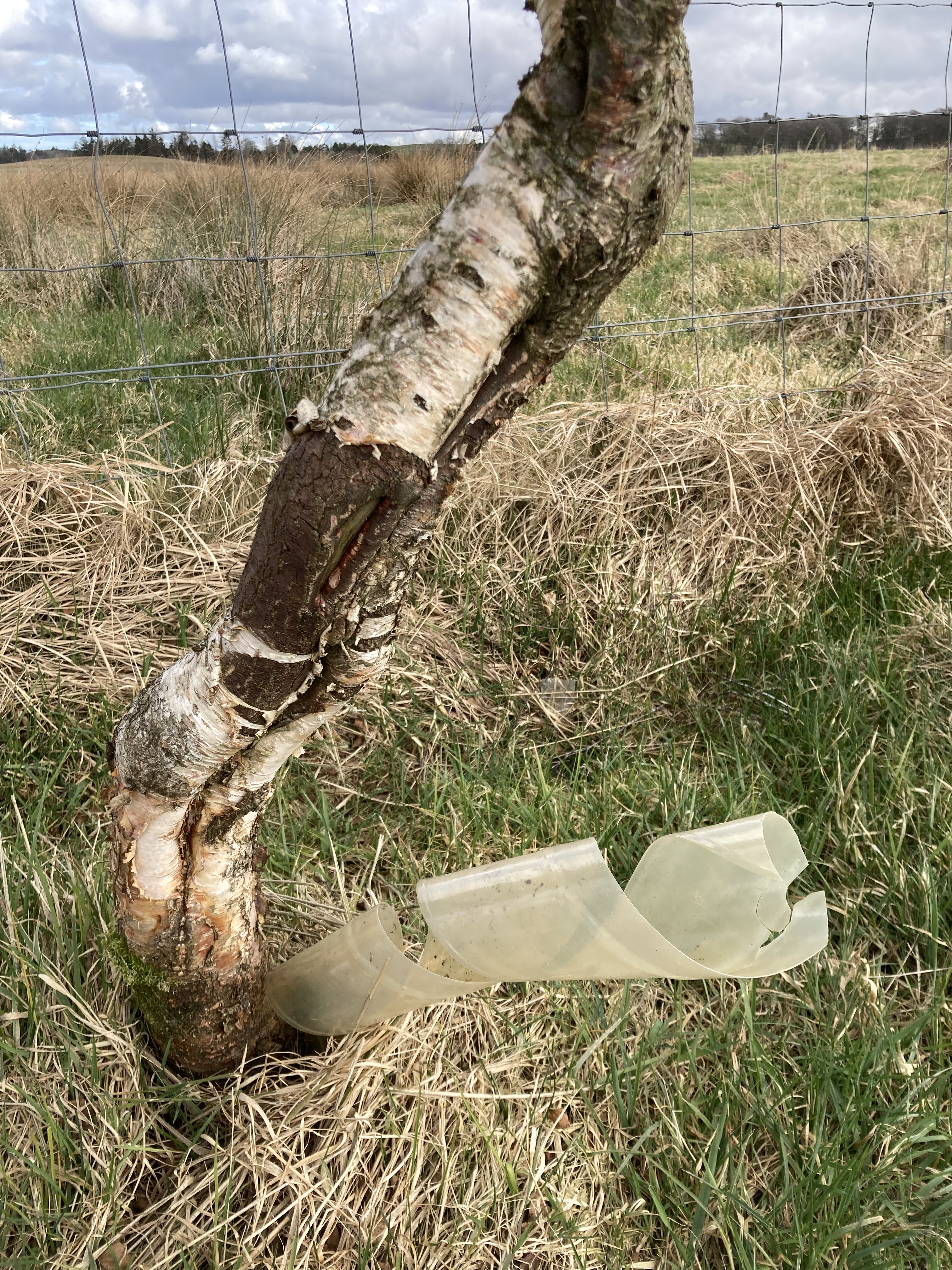
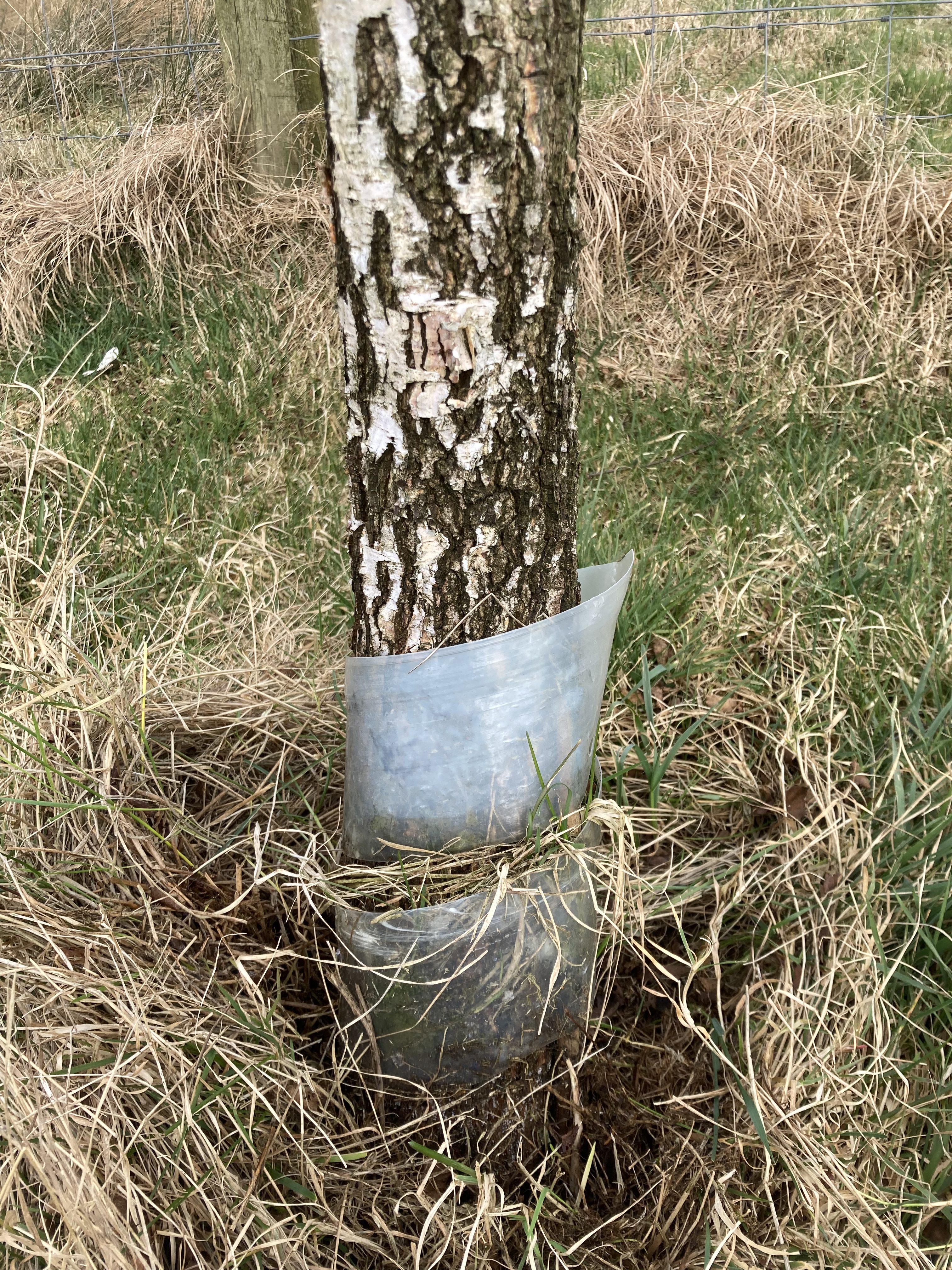
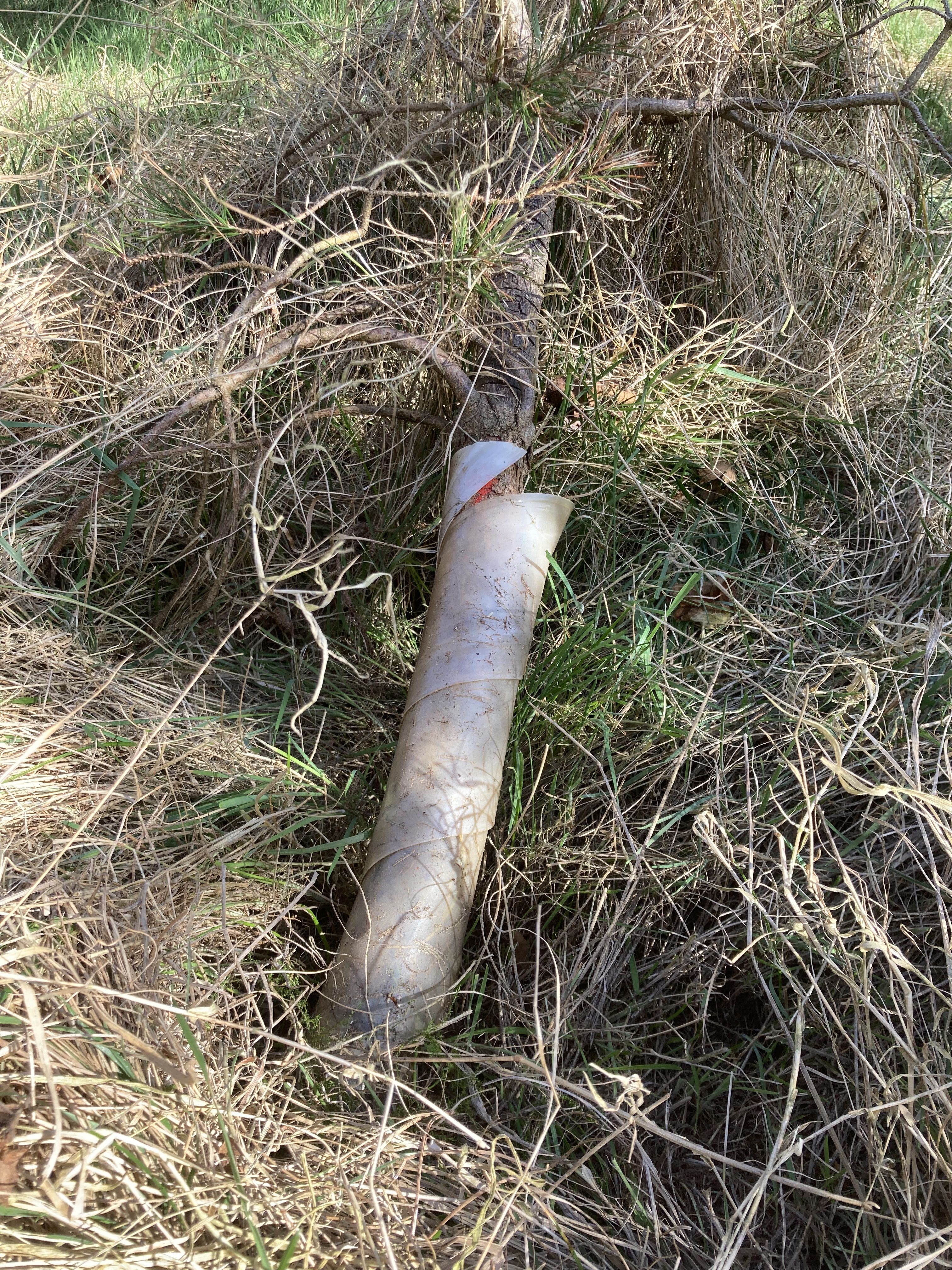
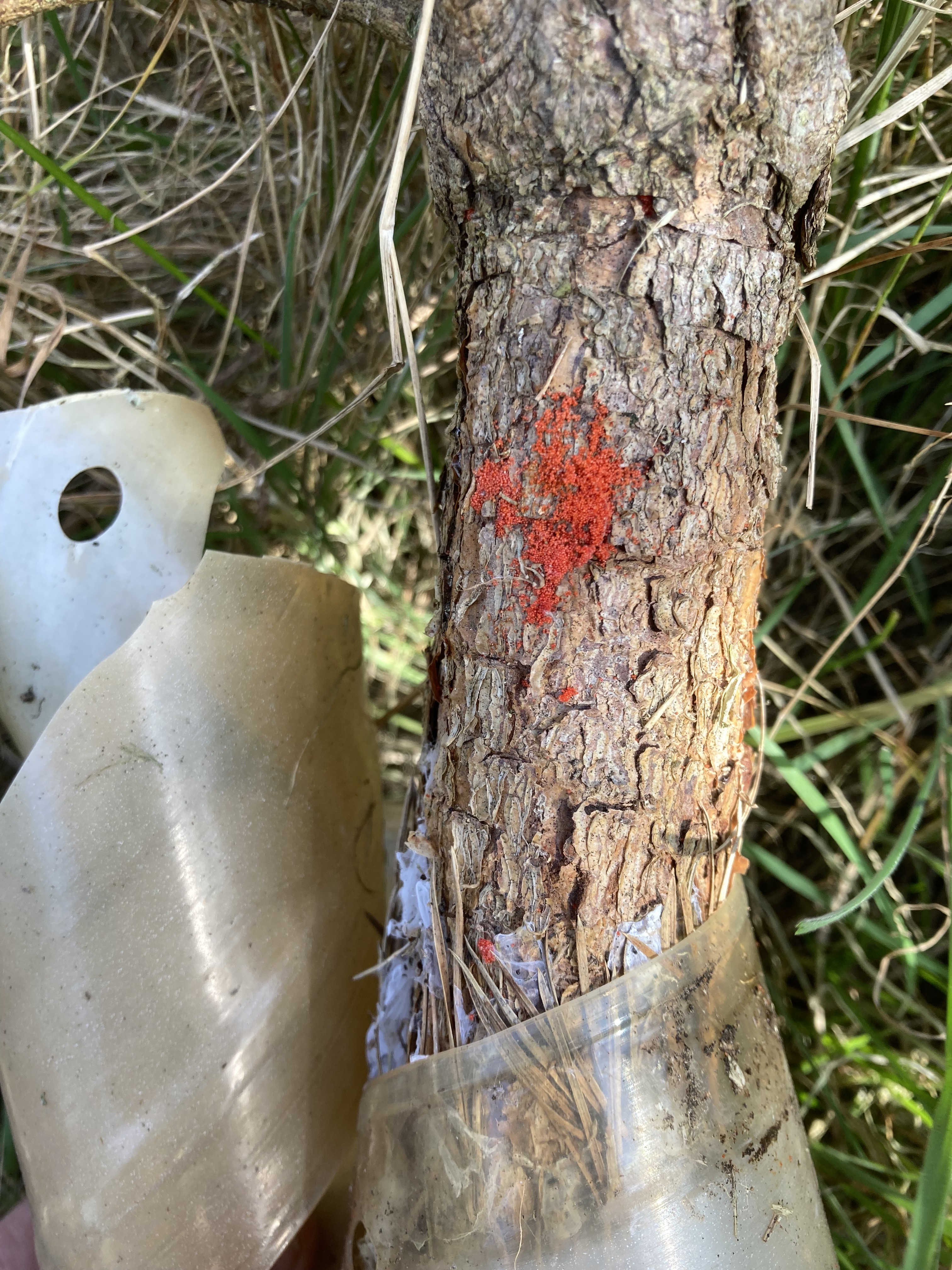
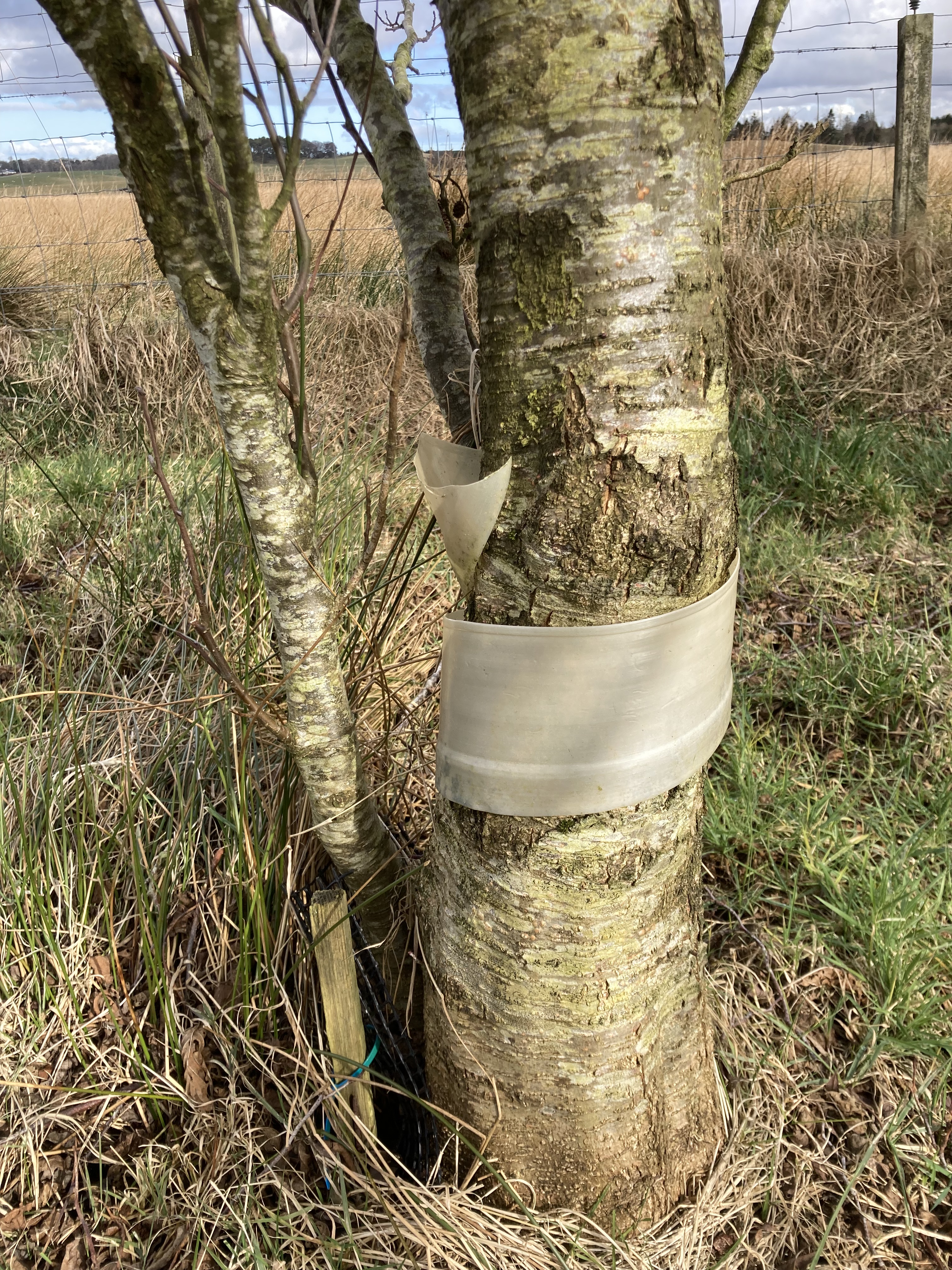
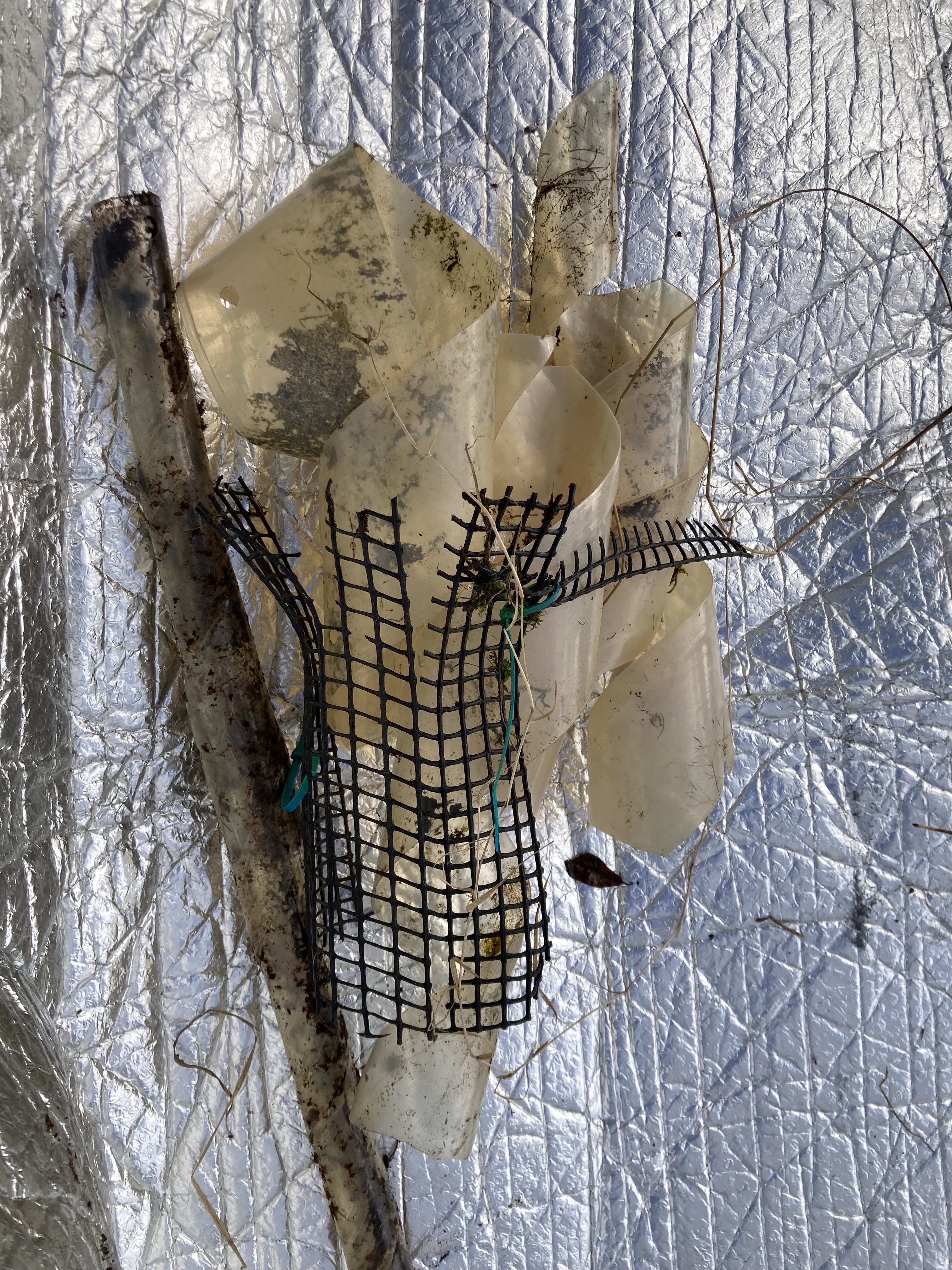
Possibly our main challenge over the next two years will be removing thousands of tree guards, but I have found an organisation that will recycle them, albeit for a fee. They recycle them into new tree guards and other woodland related products. But again, if we can make that come right, we’ll have taken something that currently is a problem, and turned it back into a useful resource. Some of guards are starting to get brittle at this point, and where the trees are getting big, they can start to trap moisture next to the trunk, creating a habitat for moss, mould, fungus and pests. So there’s a definite feeling that it is time to sort this out. We may try to grade and sort them – ones that can be re-used and donated, and ones that need to be recycled.
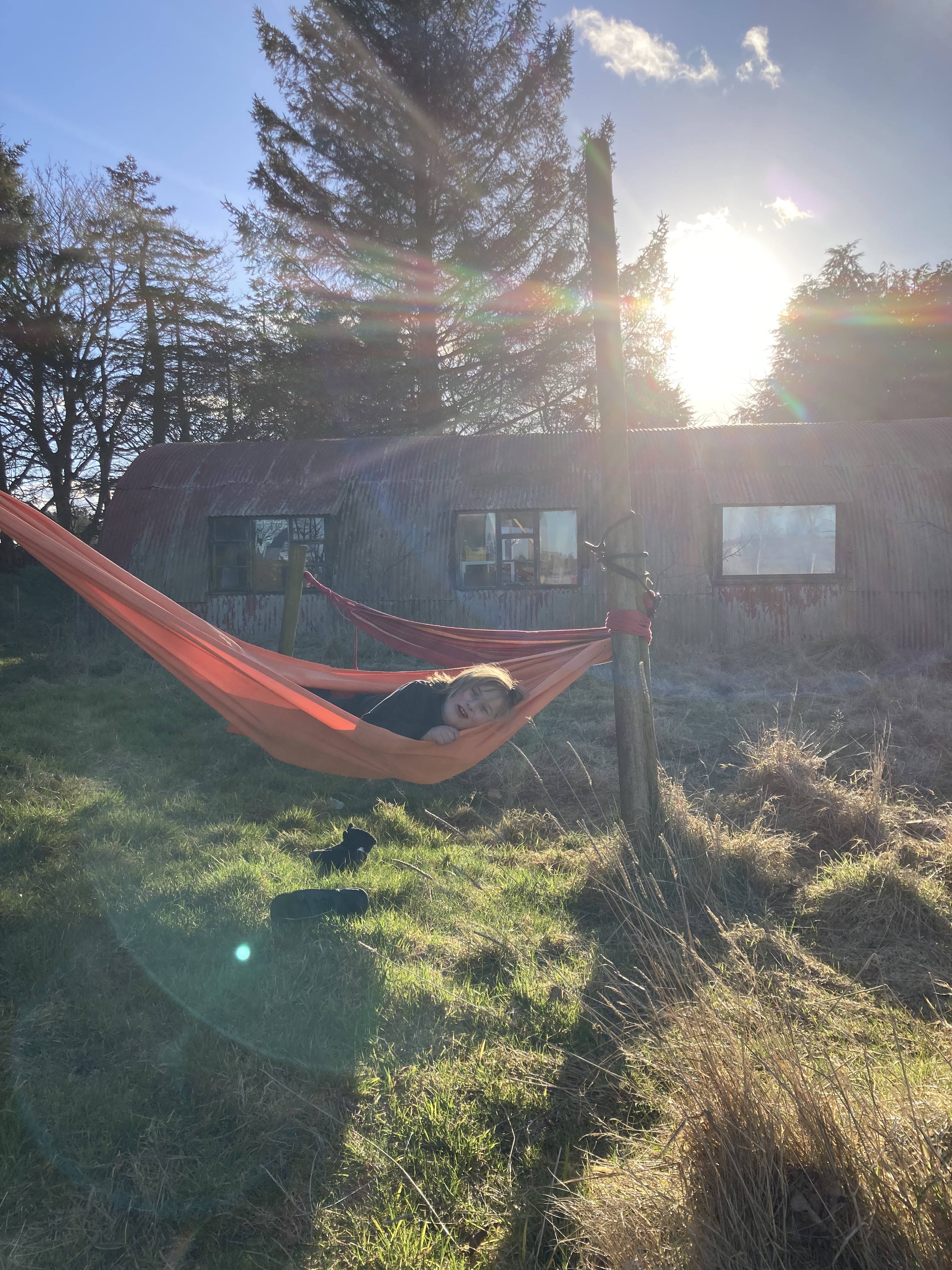
We’d like to see if we can host some volunteer days or weekends to help with that process – inviting people to camp and hang out, for a weekend, once the weather is warm enough. Maybe even quite a really big crowd of folk! It would be a good excuse to use the massive “Potjie” (S.African cauldron) I used to cook for folk at our wedding back in 2015 – maybe show some inspiring movies or docs in the barn on a projector, some arts and crafts activities for kids….stay posted for updates on that idea. I’m also getting quite excited now about showing people around the land, and sharing some of our experiences doing a family rewilding project.

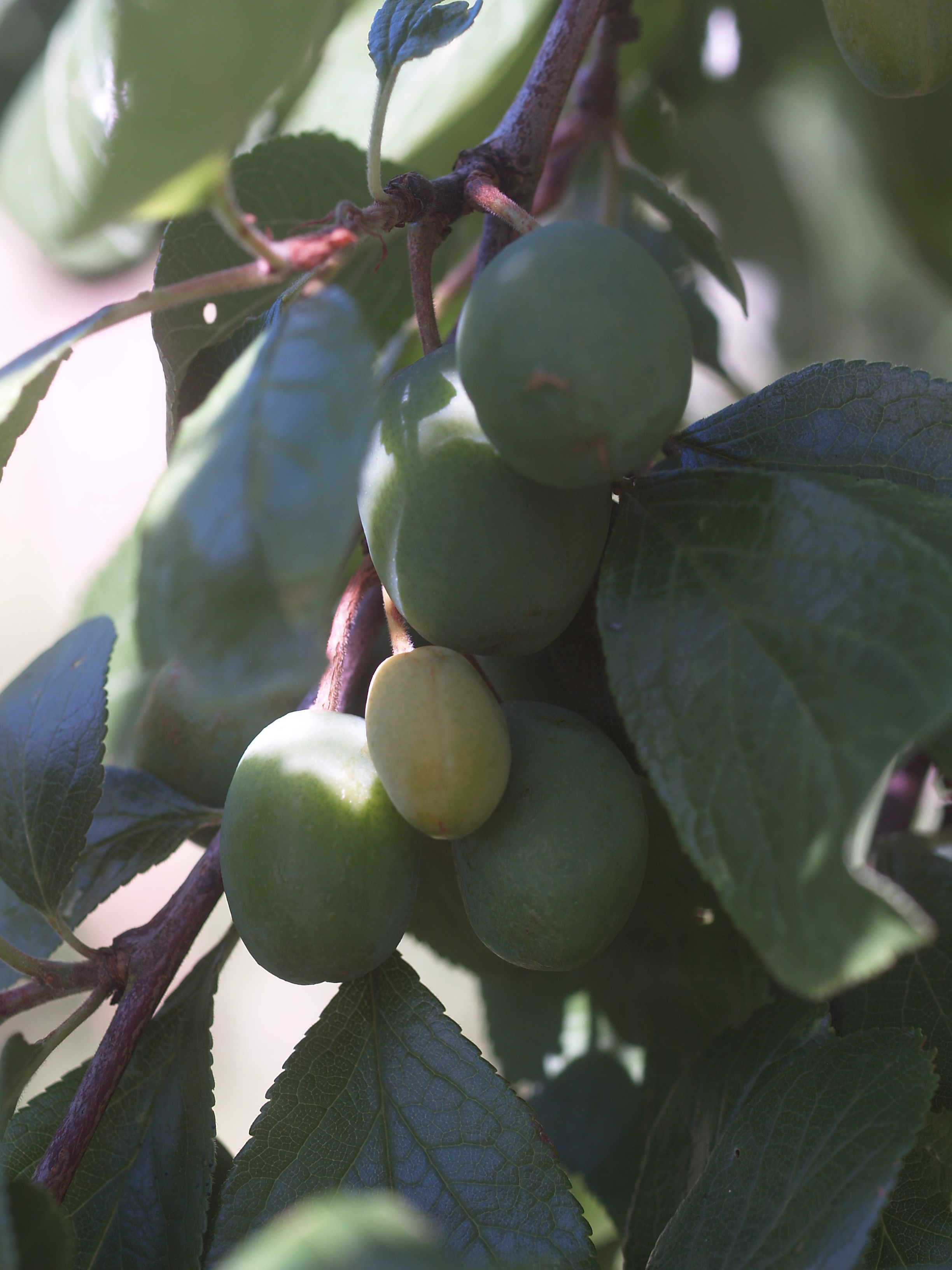
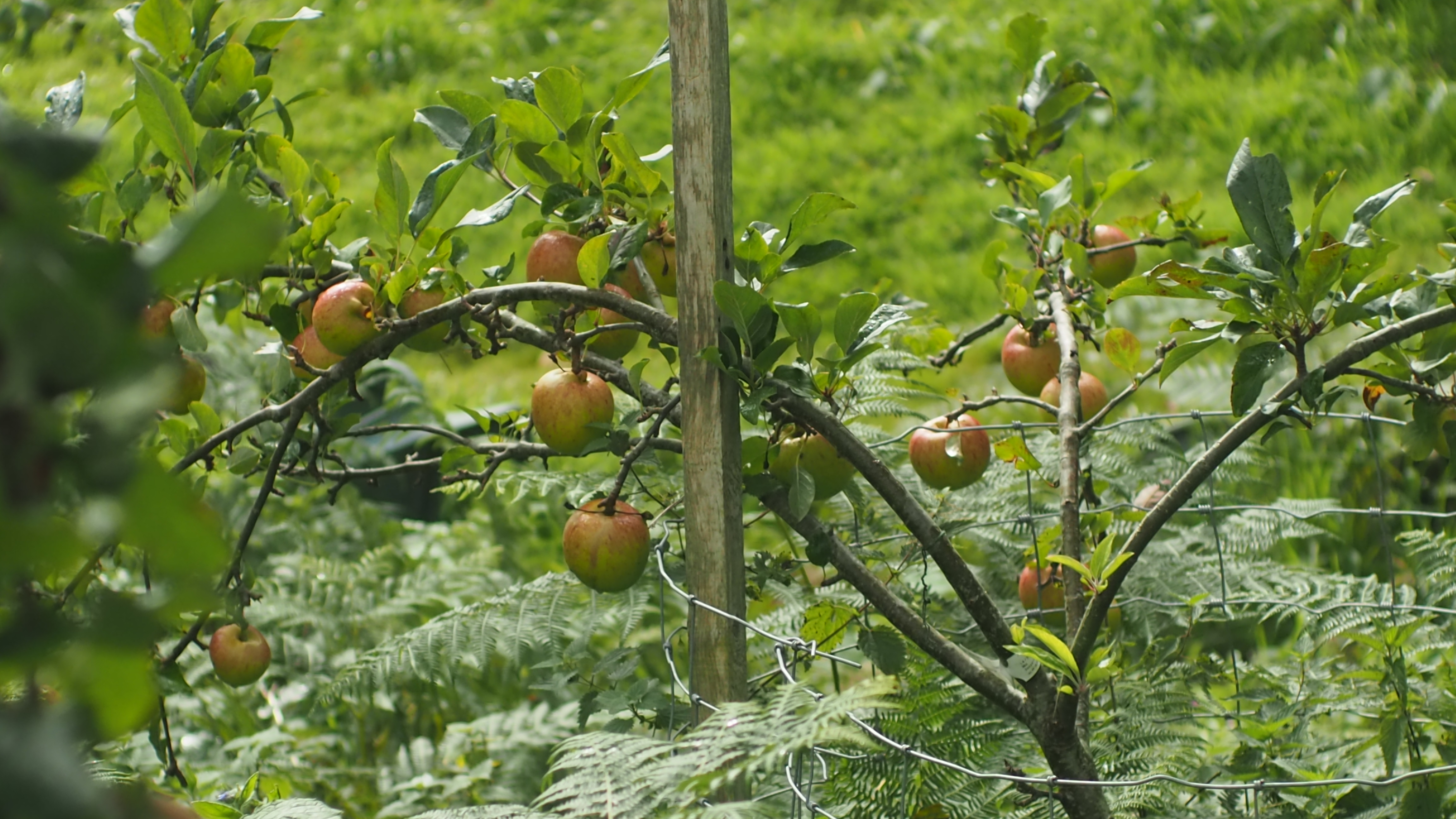
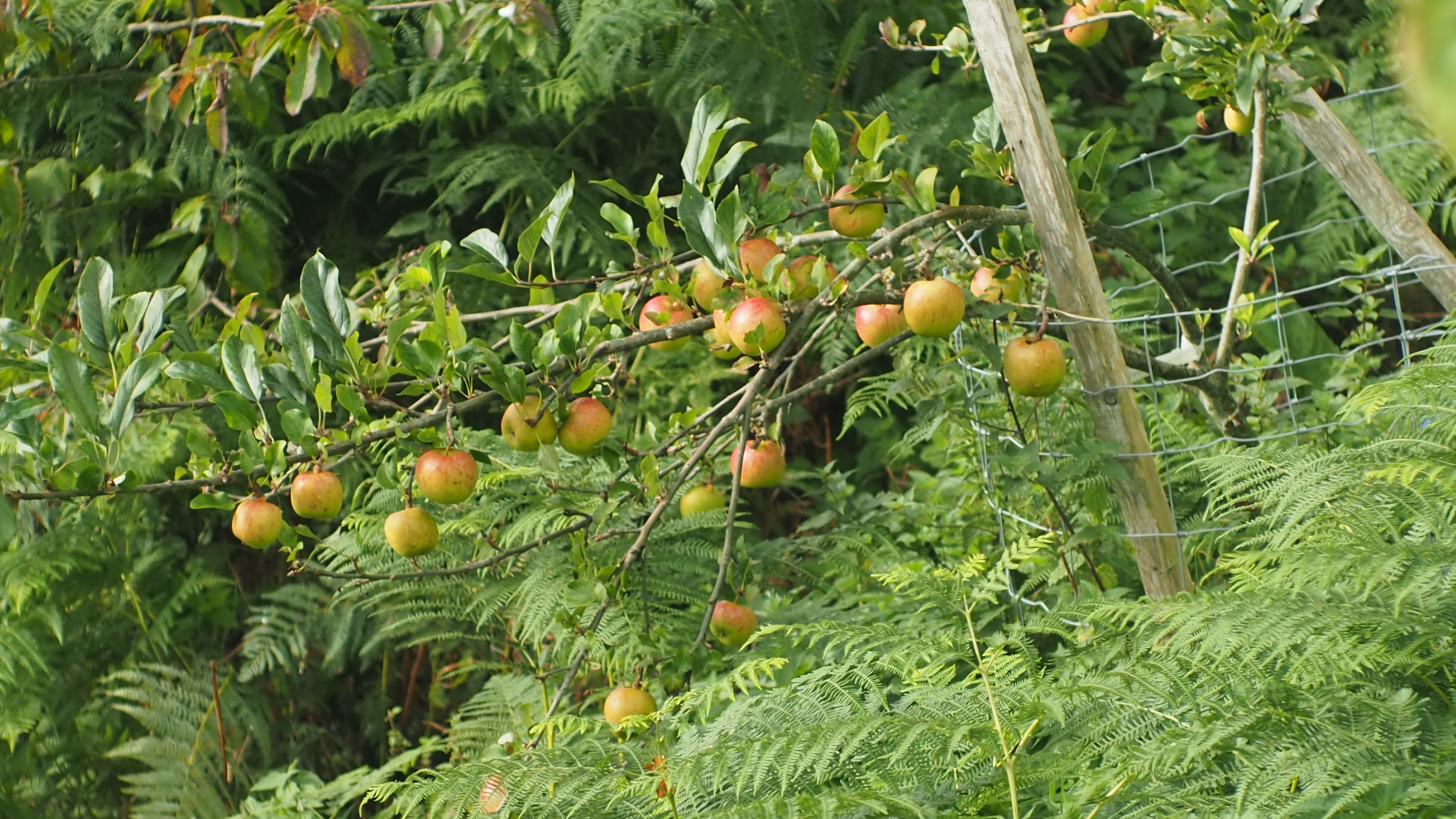
Back to the here and now though. In the next few weeks, I’m still keen to get some more trees in the ground, particularly the oak trees that I have grown from acorns, up at Badgers Wood, the woodland smallholding we’ve been living in up near Elgin over the last 6-7 years. I’ve been very busy with that site too – there’s already a mature woodland there, so it’s been more about clearing and establishing the growing spaces, a tree nursery, and creating really quite an extensive orchard with a mix of heritage varieties of Scottish apple trees, as well as pear, cherry, plum, walnut and cob nut. I’m even trying a few sweet chestnut and fig trees on a south-facing bank. Having four kids has kept me fairly busy too…
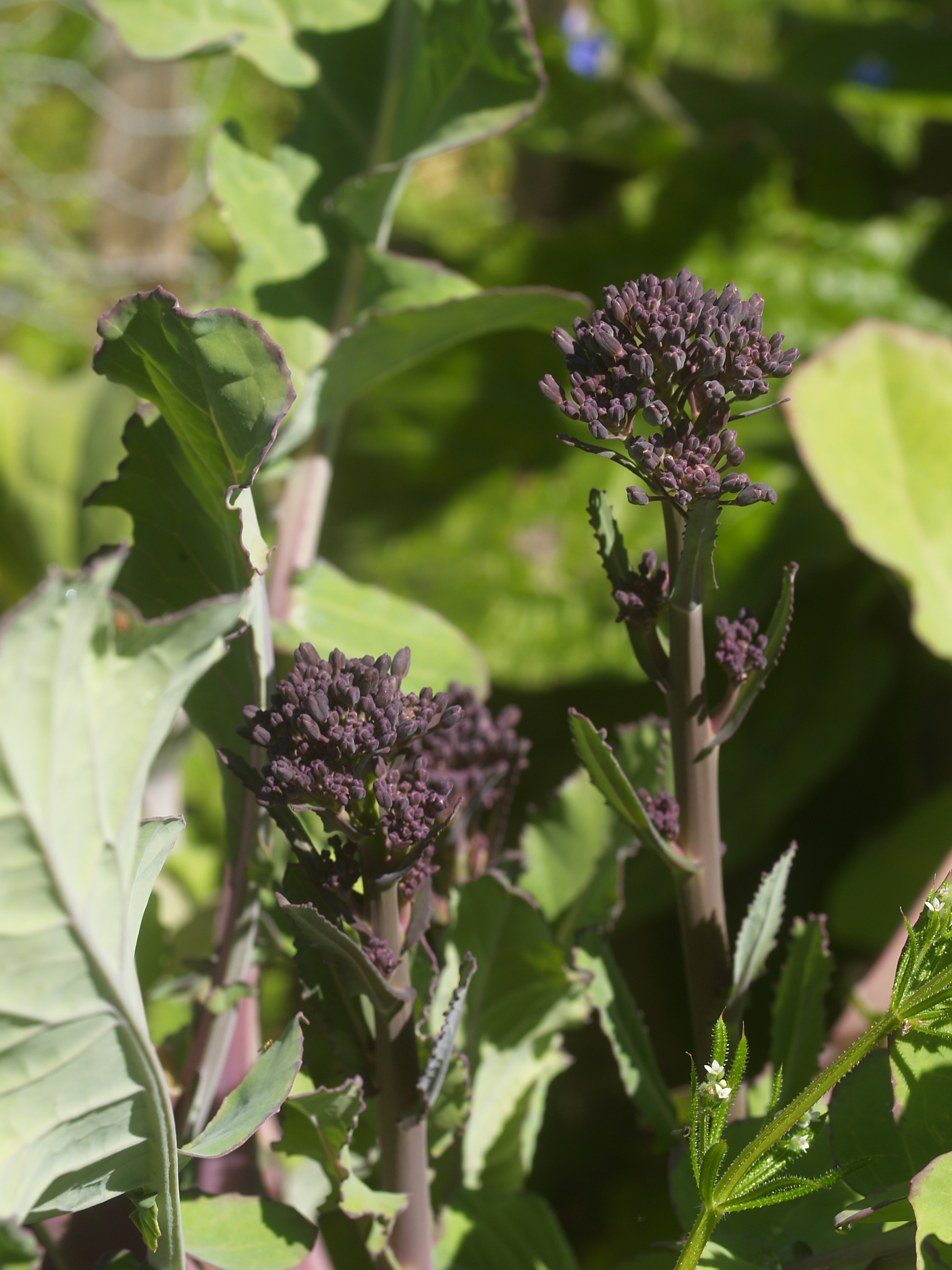
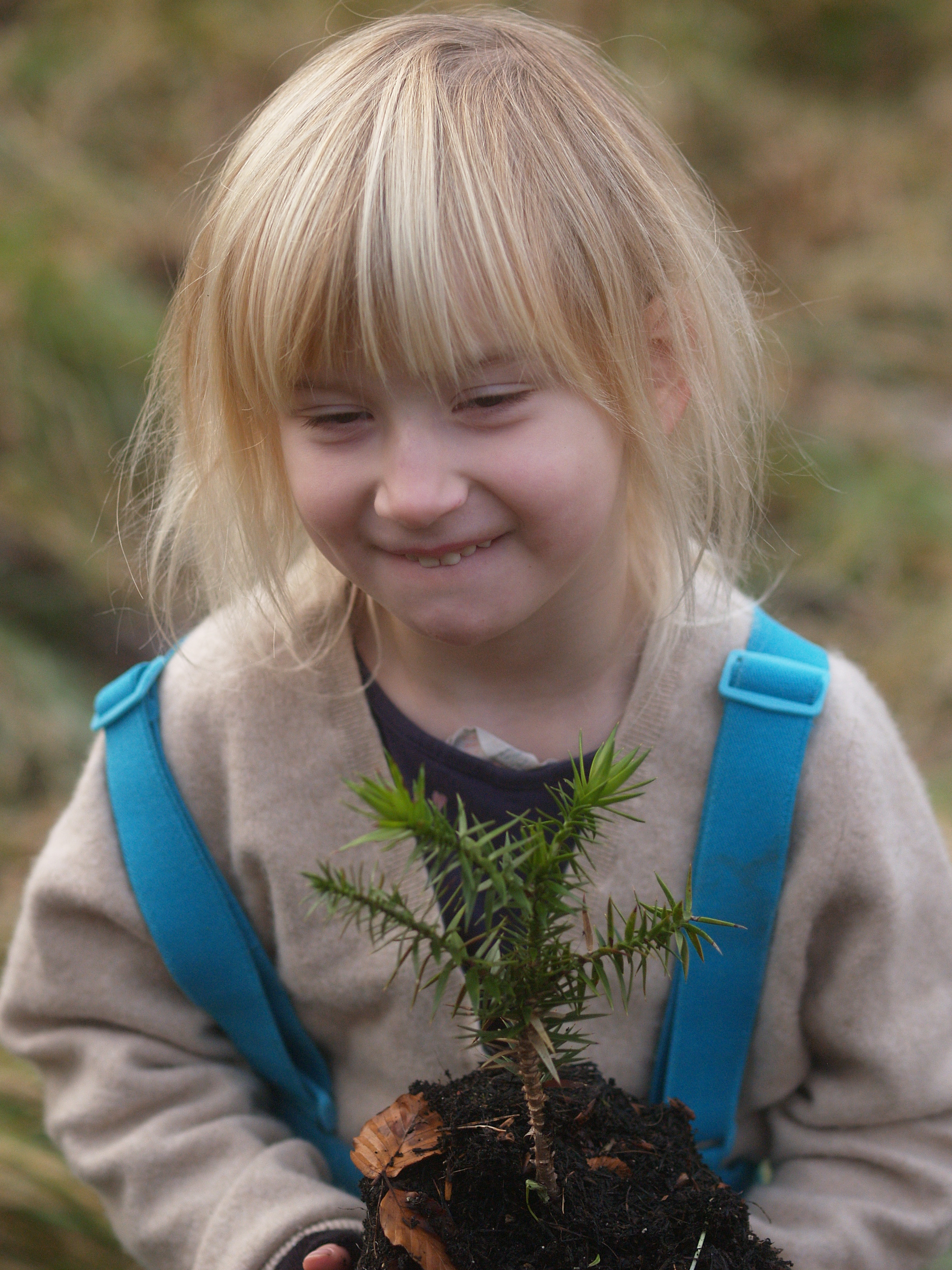
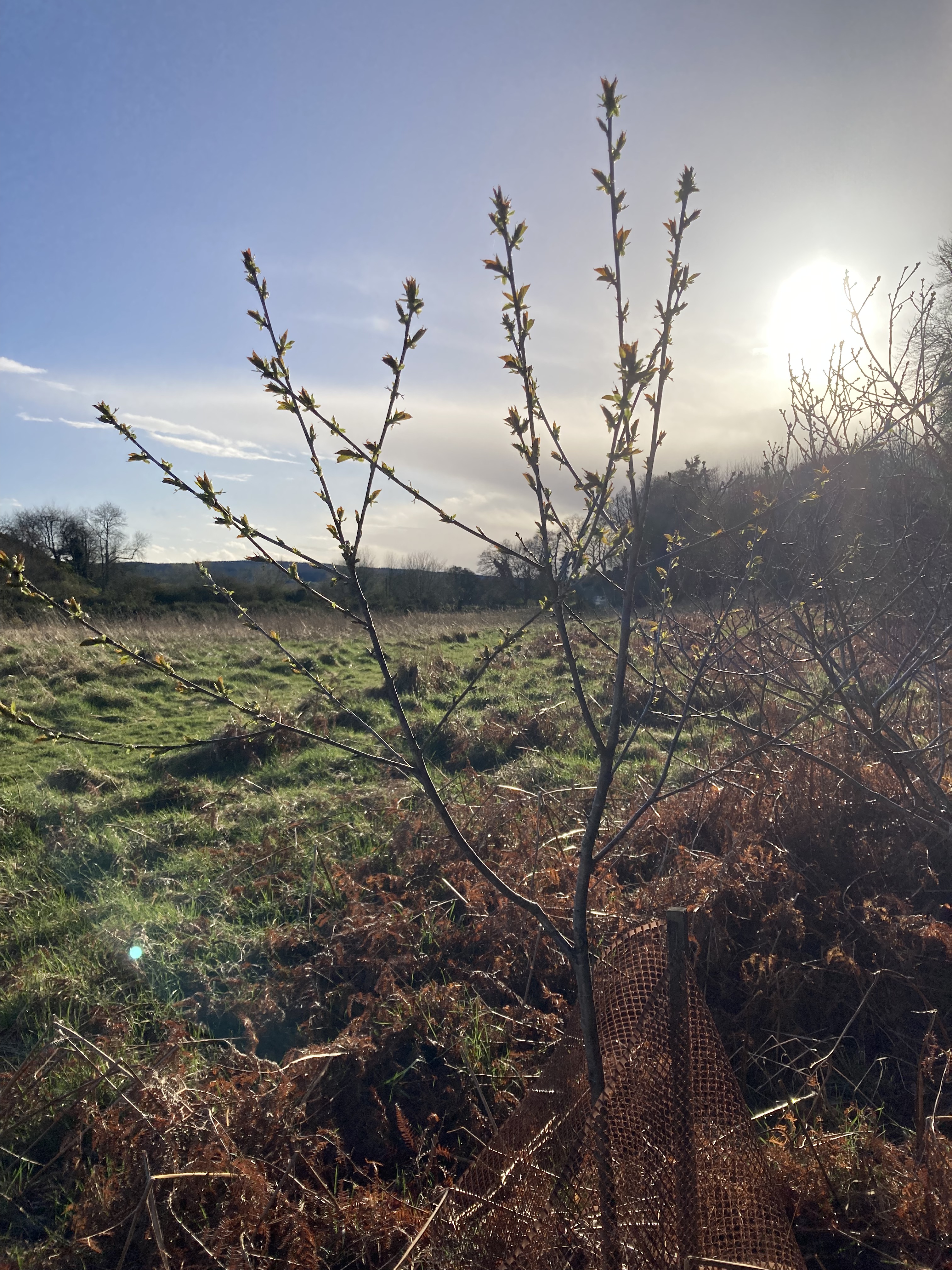
The oaks I grew are now getting rather large and quite hard to dig out – some are taller than me – but this does have the advantage that they are tall enough not to be browsed by deer. I’m planting some at Badgers Wood, as well as Rowan (as a future food crop) and the rest I’d like to get down to Mooncroft, probably later this week. Oran is being home schooled at the moment, and he’s been helping me out planting the oaks here, as well as coming down to Edinburgh and Penicuik on the train with me. I really love the idea that one day he will remember planting these trees with me; that Ember might remember planting her Monkey Puzzle tree – and that they all remember the annual apple harvests.
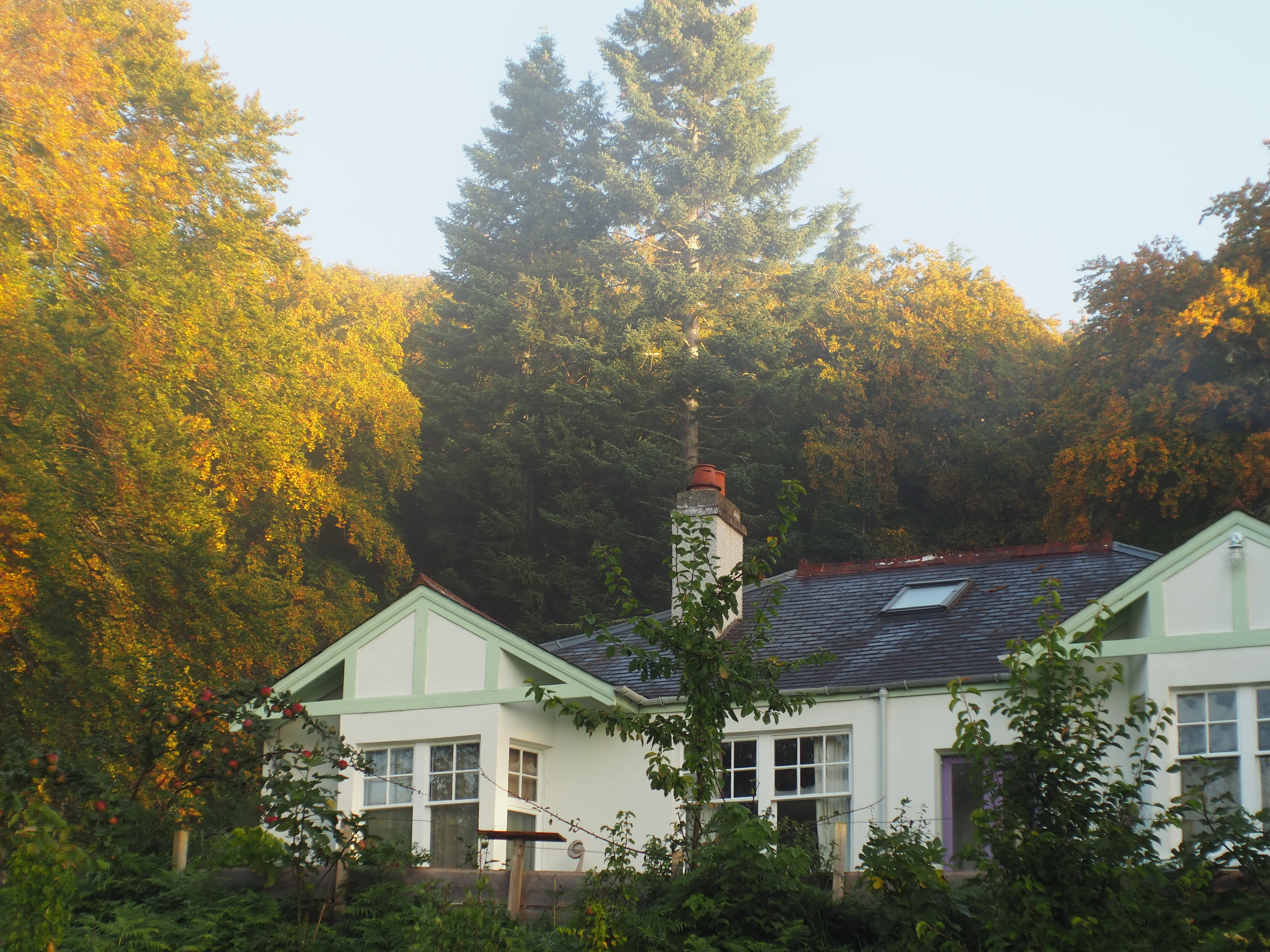
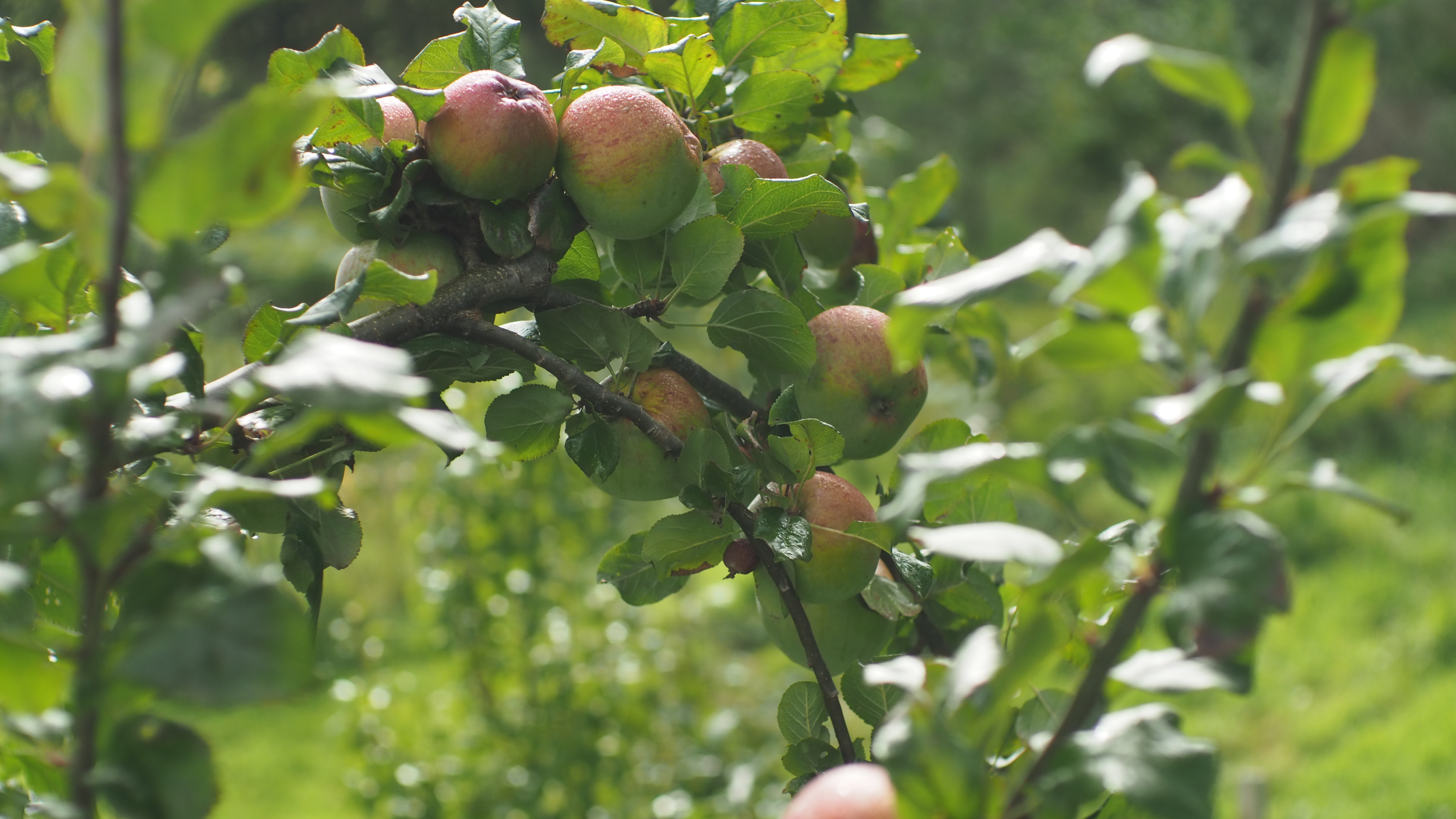
By the way, if you’re wondering what you can do with Rowan berries, you’ve really got to try making Rowan Berry Jelly. It’s unbelievably good, and makes a fun project to do with kids 🙂

Anyway, it looks like it’s going to be a busy and very productive year! And if any of this sounds like something you’d like to be involved with, be it tree planting, helping remove and recycle the tree guards, or just mucking about in the wetland, then do drop me a line 🙂
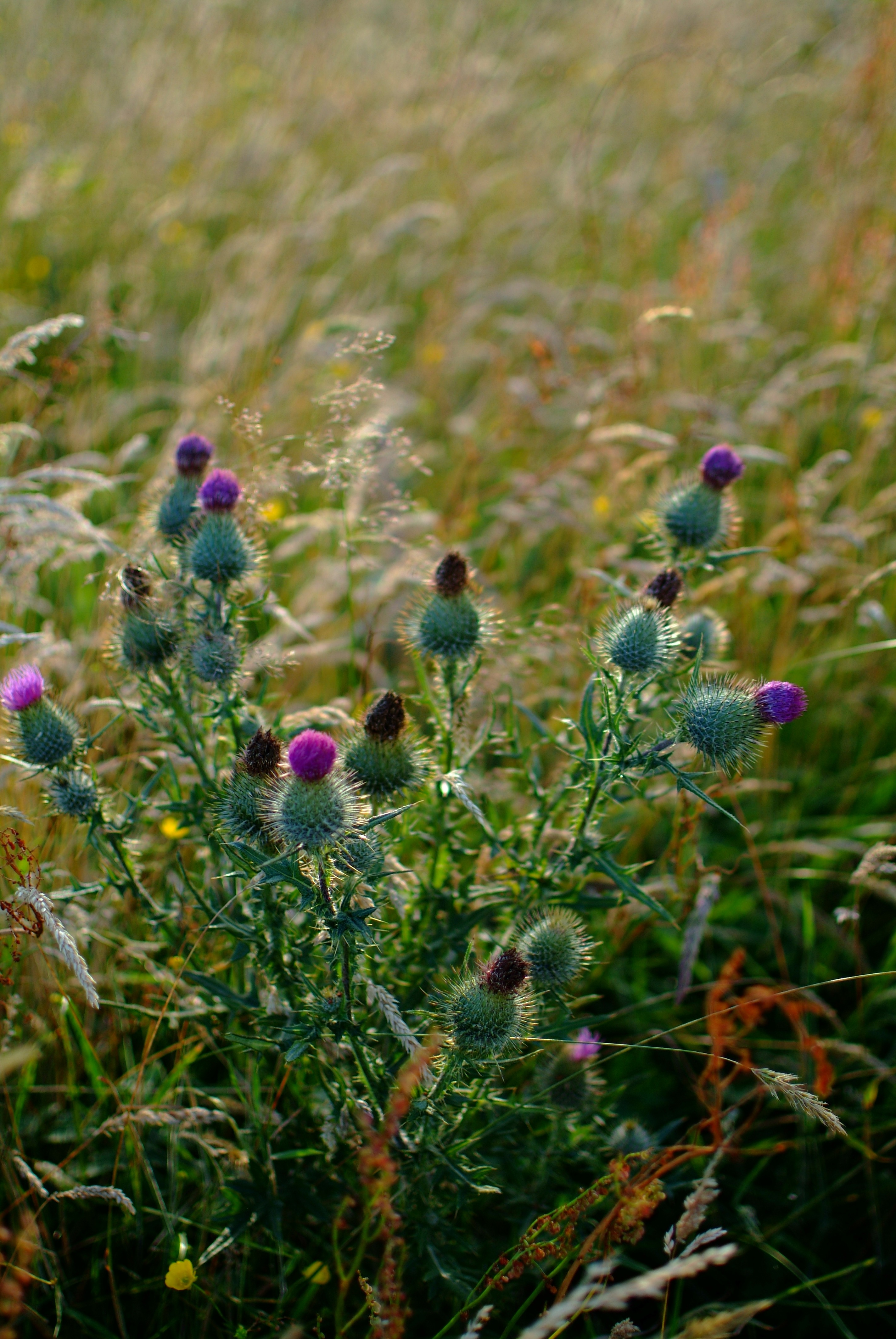
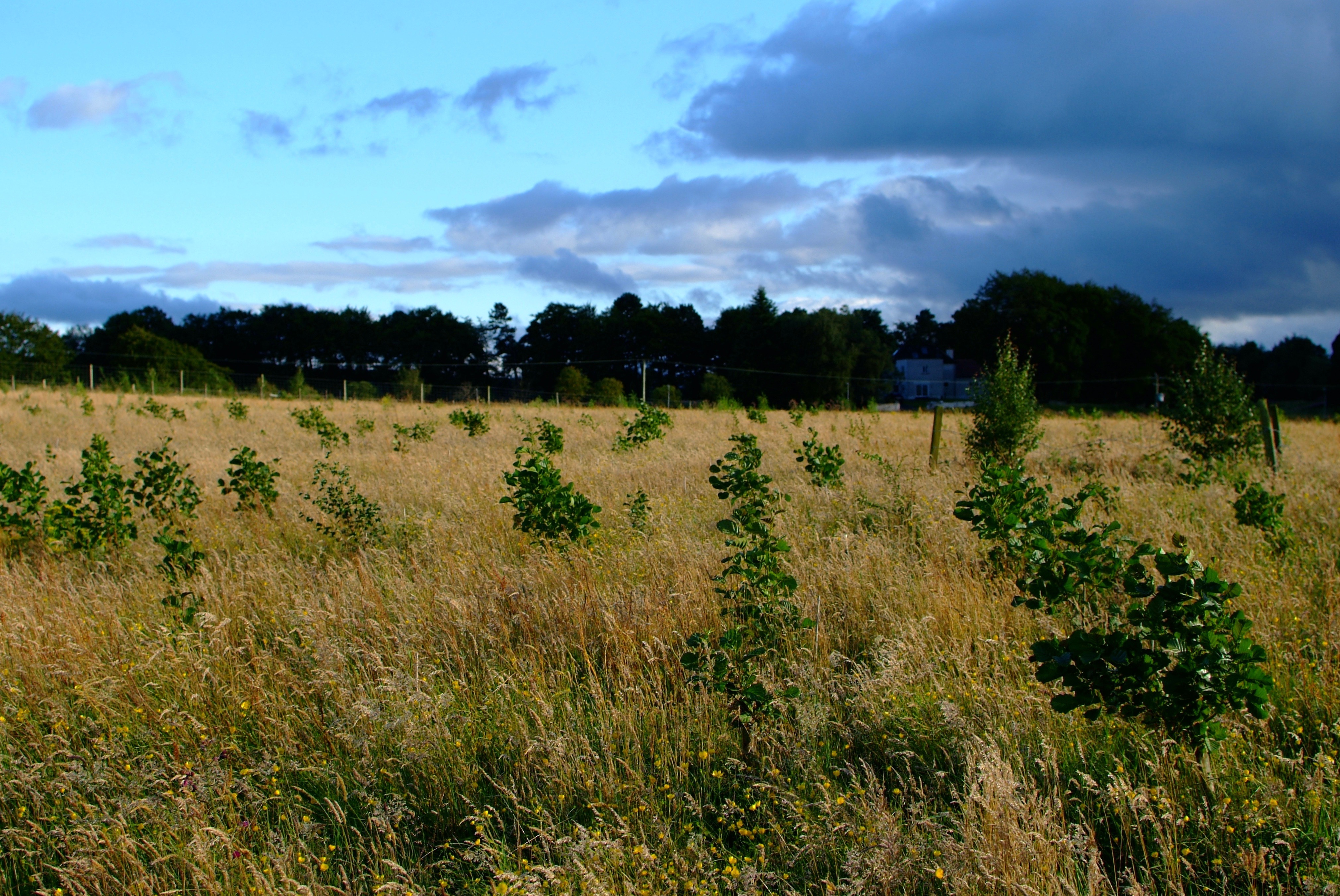
Progress with reforesting and re-wilding at Mooncroft

With so much negative and troubling events happening in the world at the moment, it’s hard to focus on the the constructive, the beautiful and the positive things in our lives. Apart from anything, events like the storming of the Capitol building in America are incredibly compelling, and with endless media coverage of Brexit, Covid, and climate change, small acts of positivity can feel like a drop in the ocean.

Still, I thought it might be a good time to share some of the good news and plans from our first re-wilding project, 48 acres of rough grazing land half an hour from Edinburgh, overlooking the Pentland Hills.

Five years into this land project, I still feel like we are in the early stages of rewilding, and having previously worked as a journalist (albeit more of a in-depth and grassroots journalist) it’s been a massive adjustment getting used to the different time-scales of land restoration and reforesting. What is great is that, after an initially massive investment of time and energy into the site – tree planting, fencing, access road construction, more tree planting, more fencing, weeding, mulching, planting hedgerows, and learning how to grow trees from seed – now, it feels like the natural re-wilding processes are now snowballing.

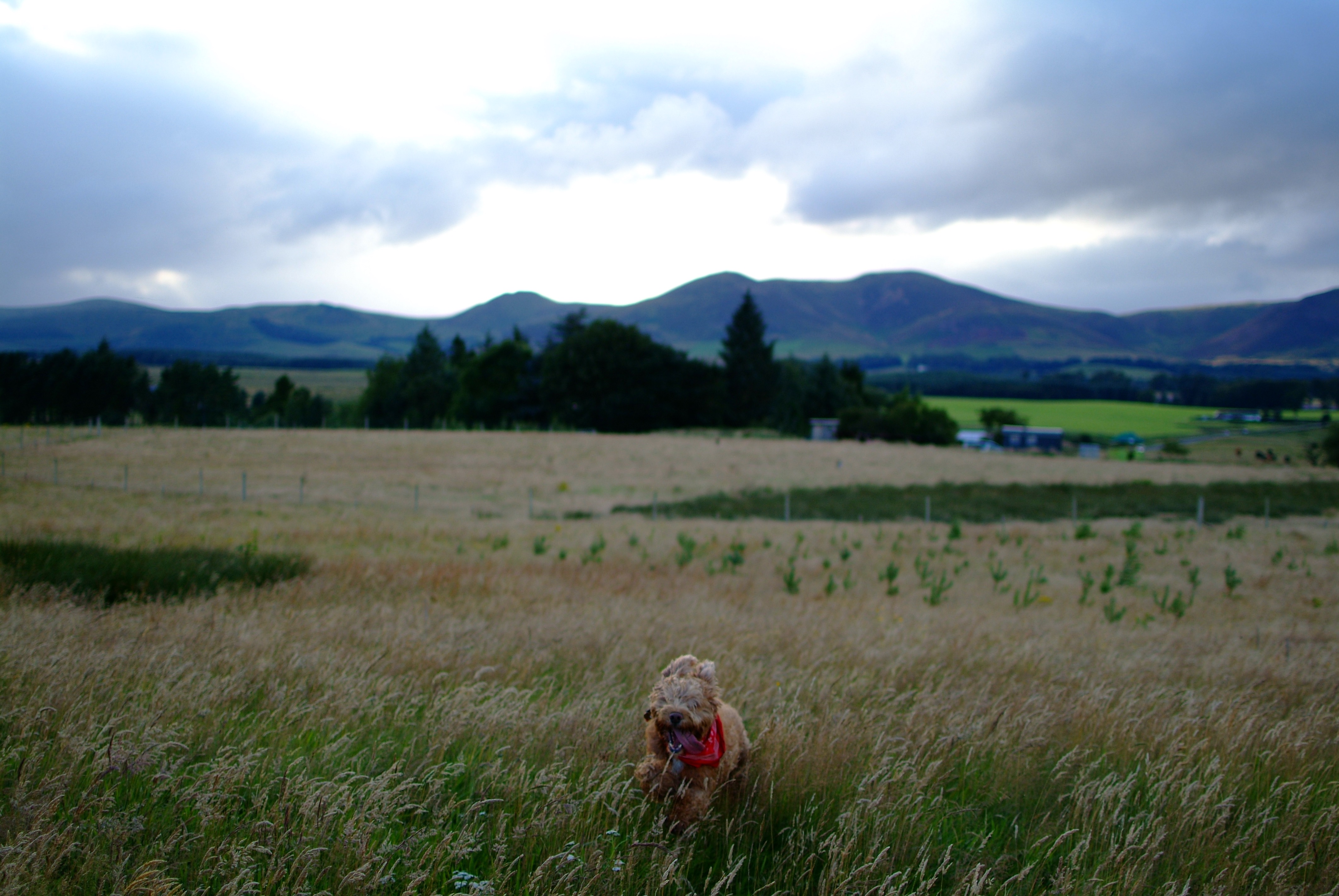
The 16,000 trees we’ve planted are growing well, and the removal of sheep from the land has allowed a massive explosion of wild-flowers and grassland recovery over the last two years – a much needed fallow period for an area that was permanently grazed for far too long without rest or respite. The tall grasses have created a better habitat for voles and other rodents, and the barn owls and other hunting birds we see on the site now, have clearly benefitted. You can feel the change in the land.

We continue to have ambitious plans for this site, and in the medium to long-term, hope to make it economically as well as environmentally sustainable. We have been granted permission for a small-scale glamping site with five yurts, a wild-swimming pond, and a cafe-restaurant. Those plans have been slowed down by the pandemic, but in the end that may be no bad thing. I’ve learnt not to be in a rush with this project – to enjoy watching the land, the trees and the grassland change over time – and to make space and time for nature to return.

Plans, progress and planting for ReforestNation…

It’s been far too long since we updated you with progress with ReforestNation – and there’s been some good reason for that. When the project launched a few years ago, it was with big plans, grand ambitions, and a big splash on social media with our first crowd-funding campaign. And whilst we’ve had some success, it’s also been a very steep learning curve, with some pretty big setbacks and challenges. We are finally feeling like things are rolling again, there’s some really great news to report, and that it’s time to start thinking big for this project – which is why it feels like time to update you all.

First, let’s be honest about what didn’t work.

In our first crowd-funding campaign, we managed to raise £5,000, most of which was spent on a mobile sawmill, with the intention that this would allow us to mill our own wood, to make and sell cabins and huts, to create work and more funds to put towards purchasing land to reforest.

Well, the mill has proved useful for a couple of projects – helping to complete a cabin in the woods, a wooden playground, and constructing a very beautiful bent wood poly-tunnel – the first one ever, we believe!

But the economics of milling wood with a sawmill rig – which is slow, time-consuming and fuel hungry – never really made sense. We found that, even if Simon Colley was gifting us the sitka trees from his land, the labour cost involved in producing boards and battens still made it a more expensive way to produce wood than buying seasoned timber in – and certainly, we couldn’t find a way of competing with commercial hut and shed kits, which are astonishingly cheap.

It still  feels like the mill might come into it’s own later, when we have a really remote site, and where we might have funding or more resources to build a beautiful rustic cabin (or cabins) in the woods. In fact, the curved, viking long-house shape of the poly-tunnel would make a fabulous and unique cabin, if clad and insulated, and given reclaimed doors and windows.

Screen Shot 2017-11-05 at 09.42.24.png

In fact, perhaps you are reading this and thinking “Hey! I’d love a cabin like that!” If that’s you, and if you are willing to pay a good price for something that’s beautiful and made by hand by people with skills and integrity, rather than something that’s been milled in a factory and flat-packed – then drop us a line on reforestnation@gmail.com

But for now, my gut tells me that the mill isn’t not going to generate the resources the project needs.

And what are those resources?

  1. Land to reforest and re-wild.
  2. Saplings to plant.
  3. Funds to pay for deer fencing, tree guards, and some labour costs.
  4. People to help plant, protect and collaborate with – and re-wild.
  5. Experience and skills. Learnt the hard way!


So onto some of the successes of the project so far, which are about balancing all of these resources.

Land. We effectively now have two sites that are being reforested or re-wilded – Simon’s  woodland near Wiston in South Lanarkshire, which he continues to slowly and organically convert to a mixed deciduous woodland – and the 47 acres of rough grazing land at Netherton.

At the latter, we have planted over 1,600 trees, mostly from the Woodland Trust, but also a significant number which we have grown ourselves from seed – mostly Scots Pine and Oak, but also some Alder, Silver Birch, Rowan and Hawthorn. We’ll be adding four ponds to the land which will add bio-diversity, and a larger swimming pond for wild swimming.

In the long-run, the land at Netherton has the potential to also be a multi-functional base for the project – it has two building plots for eco-houses, and two old barns, one of which we’ve been renovating, which could provide accommodation, office and workshop space, and the land and new woodland could provide space for growing food – both permaculture gardens, forest gardens and wild-food production. We’d like people to be able to come and camp/glamp, and to experience courses in woodland crafts, bushcraft skills, and to be able to see the land develop and re-wild over the years – and in the process, get a bit wilder themselves.

People. We have another tree planting weekend with friends and family coming up in a couple of weeks, but it’s next year when the big effort will take place, when we’ll plant about 10,000 trees on the land at Netherton. That is planned for late-winter, after we have deer fenced the area for the new woodland. We’ve been building towards that for a while, but finding the funds to do it took some time.

We also wanted to feel confident about planting larger numbers of trees swiftly and efficiently, and it took time to put together a competent tree planting team, headed by Catherine and Simon.

Hey! If you’d like to get involved in the physical work of tree planting, drop us a line. We need strong, fit individuals to come and help!  Email reforestnation@gmail.com

Experience. We’ve learnt something from each tree planting phase, and the survival rate for the trees from the last planting we did is over 95% – so we feel it’s been wise to have some smaller practice runs before the larger planting. In coming years I hope that planting 10,000 trees seems like it was training for really, really big tree planting schemes of hundreds of thousands of trees. But that’s another story, for another post. If I’ve learnt anything in the last three years, it’s that reforesting and land restoration takes time and patience – a tough lesson for someone who was a journalist, and used to quick results.

P1000500

Perhaps for that reason, I feel like my favourite symbol for this project is the acorn, and my favourite pastime at this time of year is collecting them. So much stored potential in one small, beautiful object – so much patience and love required to make it achieve it.

Skills. I’m particularly proud of learning about seed collection and propagation, and how much success I’ve had at this, and how emotionally satisfying and creative it has felt to collect wild seed, to store it through the winter, and then successfully grow baby trees. Receiving tree packs with two year old saplings from the Woodland Trust is undoubtedly efficient, and for large scale planting these tree plugs produced by big industrial scale nurseries are invaluable and cheap. But learning how and when to collect the different seeds – becoming attuned to the timing and rhythm of the seasons – adds an emotional and spiritual dimension to re-wilding land. It creates a story when you gather acorns from a particular tree, grow them, and then plant them. It creates a direct connection between you and that land

This year, for example, I managed to gather perhaps 15 kilos of acorns in just a few days, far more than last year, because I was attuned to the season, and to the weather. I could see that the acorns were starting to fall in small numbers – and when a particularly windy day hit the area, I knew that was when I needed to get out collecting. And I know how best to store them over the winter this year (last year I lost a lot of acorns to rodents.)

So, right now I have about 100 oaks growing in my small nursery, along with 50 silver birch, and some Rowan and Scots Pine. I have perhaps over a thousand acorns stored safely for propagation next spring, and a good seed store of perhaps another 10 tree species. And all of that has been done with a minimum of funds, just some bags of compost, and the time spent collecting seeds and acorns – which is something I love. At the same time, Simon continues to grow saplings on his land in South Lanarkshire.

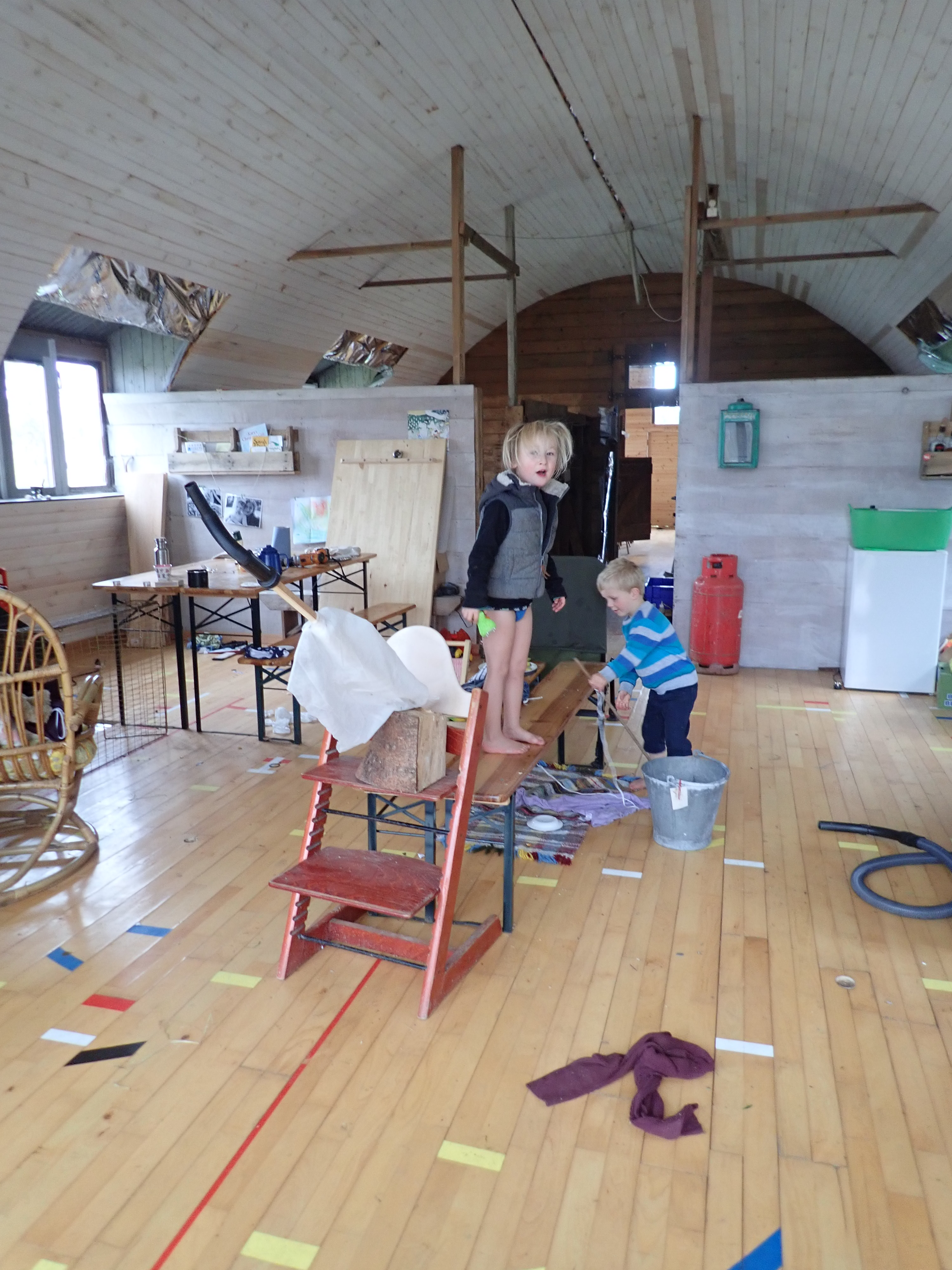
So, what next? Well, right now we are waiting on a few things to fall into place. We have submitted an application for some grant funding to help us cover some (but not all) of the cost of planting the 15 acres of new woodland. We are expecting that to be confirmed in December. That will allow us to start deer fencing in January, following by planting in February. We have nearly finished renovating an old Nissen Hut on the land to make it suitable as a base for friends and family to help out with the tree planting, and a new access road is being built to it right now.

OLYMPUS DIGITAL CAMERA

The barn is great – a cosy space with a stove to get warm after hours spent out planting in all weathers. Some folk camping, some music in the evenings – we aim to have some fun with the planting! In fact, I think we’ve realised that it’s essential. The thing about the land at Netherton is that you can feel, deep in your bones, that this land has been neglected and unloved for a long time. Perhaps that’s more obvious to me now that we have spent a year in the eco-village in Findhorn, where every inch of nature, every tree, is given enormous attention (perhaps too much attention!)

But the land at Netherton really needs people to bring it back to life – people that can see its potential, and help it achieve it. And I think that’s probably true of a lot of land in the rest of Scotland too, particularly in the north – and particularly in areas like Sutherland where the land was brutally cleared of people, and where the populations have never really recovered.

In fact, writing this makes me realise that there is a sixth resource that a land restoration project needs to be successful, a missing X-factor – love. Degraded land is unloved land, and without thoughtful human attention and care, I don’t think it can achieve it’s full potential. Yes, given enough time, and left it’s own devises, nature can do amazing things.

But in Scotland it is clear that we are not willing or able to allow nature to take it’s course – for example, we do not allow the return of apex predators like wolves who would keep deer populations in check. So, in my mind, we need the presence of thoughtful, engaged, creative humans with a love for nature if we are to restore degraded land, and to reforest. That feels like the core of what this project, ReforestNation, is meant to be, and is hopefully an idea that can be scaled up.

I’m also hinting here at the seed (or acorn) of a very ambitious idea that I’ve had in storage for some time, but one that I’m starting to share with a few people – potential collaborators, potential investors, potential re-wilders. More about that another time.

Before that larger project germinates,  we are starting to look for another potential site to reforest around Scotland – and looking for more good people to get involved. I would like the next site we work on to be larger than Netherton, but not intimidating – between 100 and 500 acres – and either somewhere near to our current bases (Penicuik and Wiston) or in the North, either Moray, or the West Coast. If you hear of something interesting that might fit the bill, on or off the market, please let us know.

I’m also hoping that one of the plans I’ve been developing will allow more people to own their own small woodland one day without having to pay the kind of prices that are charged for small amenity woodlands. Again, more about that in a future post when the idea is fully developed.

So for now, if you are interested in getting involved, in collaborating, in connecting, in contributing funds, or in helping with the physical work of tree planting, fencing, and looking after saplings, please do get in touch!

You can email us – reforestnation@gmail.com – or call 07967 28043, or write to us at 62 The Park, Findhorn Foundation, Moray. IV36 3TZ. We’d love to hear from you 🙂
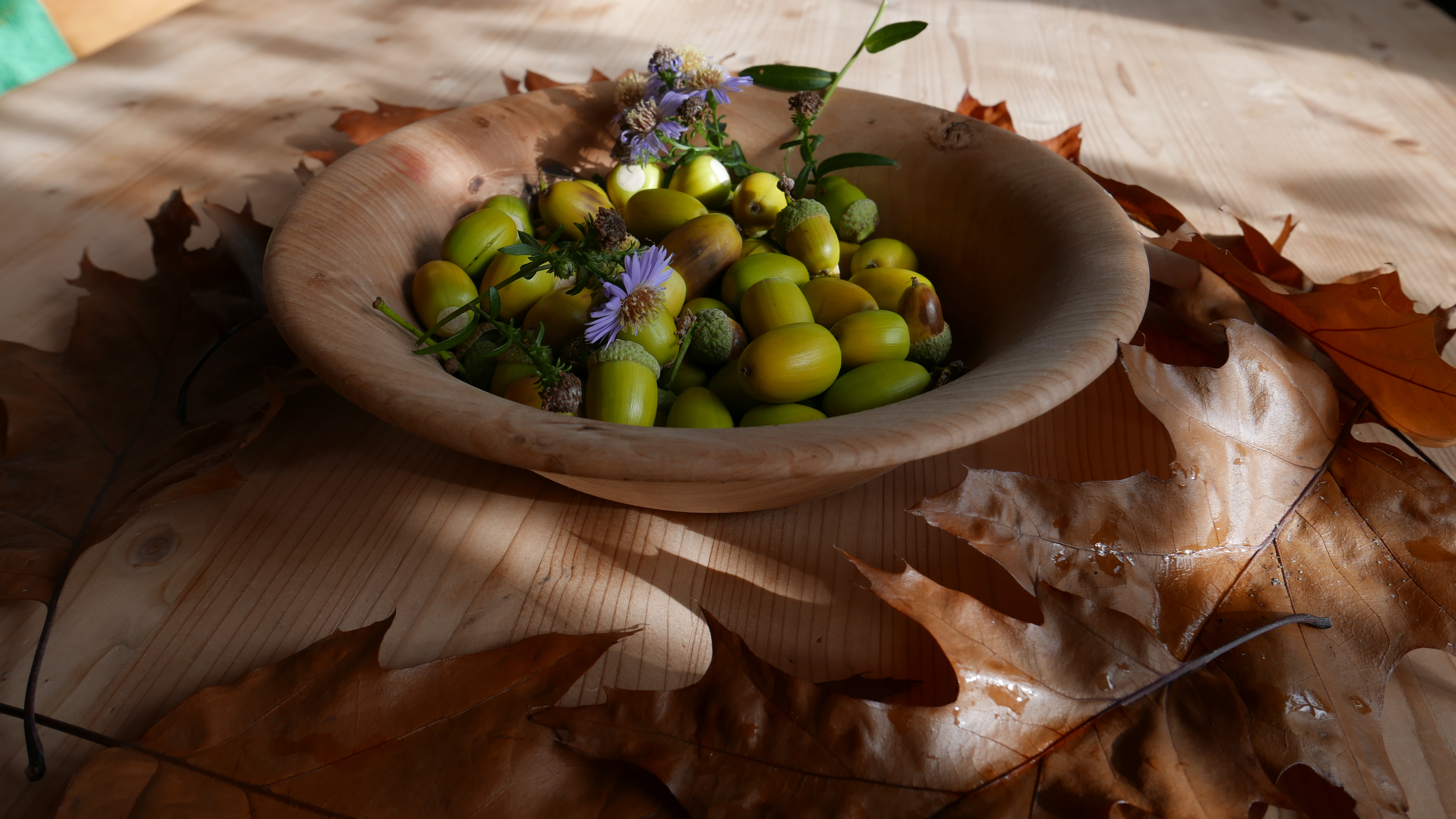


Seed collecting at Wiston Lodge

Following our succesful launch and fund-raiser at Wiston Lodge, where we raised enough seed-funding for some basic materials like compost and rabbit proof fencing, we thought we’d gather some other seeds this weekend…